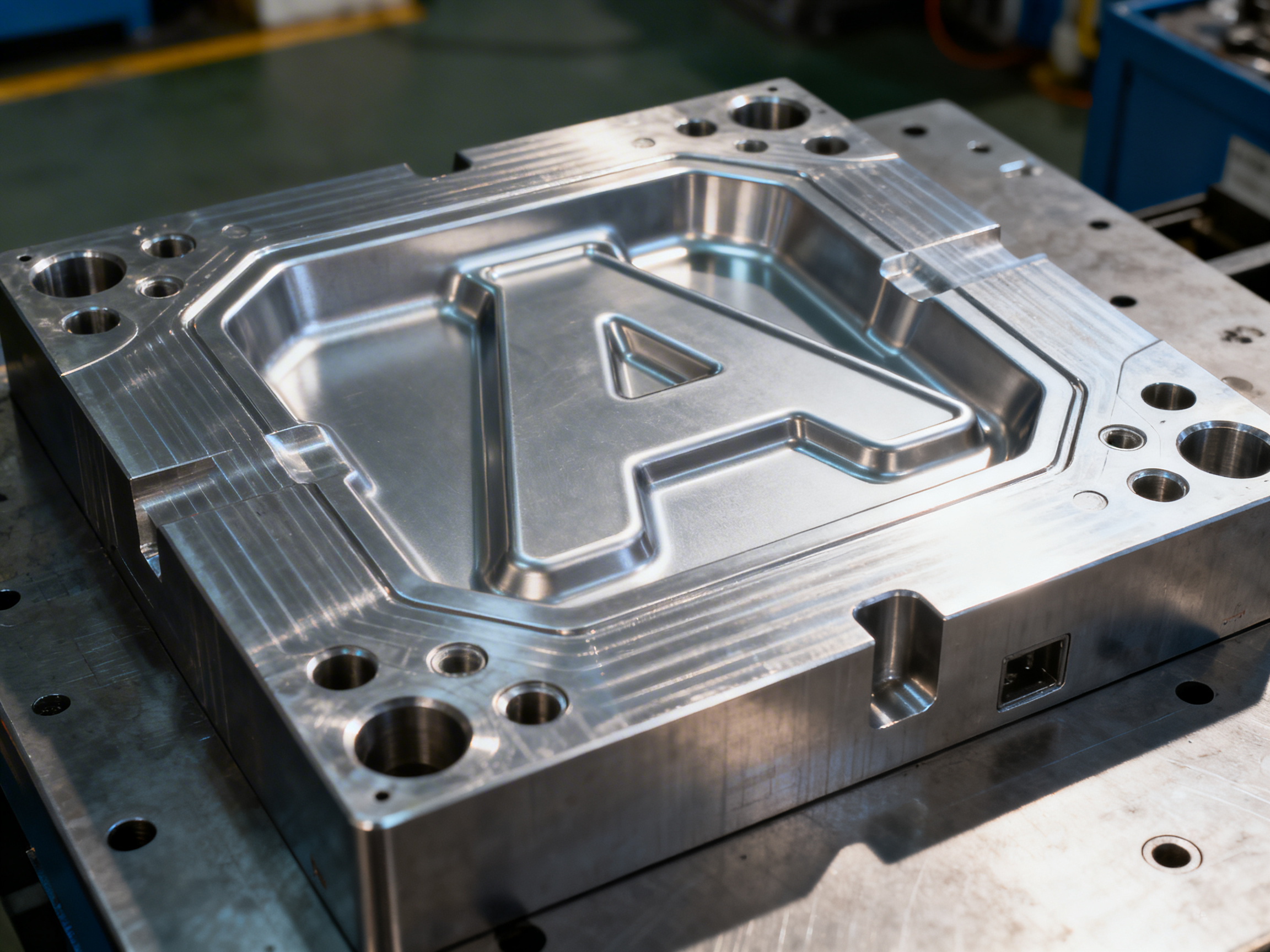
The sheer magnitude of the injection molding China infrastructure is a critical factor for global supply chains, with data confirming over 7,000 specialized facilities and tens of thousands of mold makers. This massive network currently handles approximately 45–50% of the world’s processing orders, offering unparalleled scalability for industries ranging from automotive to medical devices. Understanding the quantitative capacity, regional clusters, and specific industrial capabilities of this manufacturing powerhouse is essential for engineers and procurement managers seeking high-precision solutions. The following analysis breaks down these elements to help you navigate the market effectively.
Analyzing the Production Scale and Regional Hubs
China’s manufacturing dominance relies on a vast, integrated ecosystem of suppliers and specialized economic zones that collectively produce over 60% of the world’s injection molding machinery and billions in annual mold exports.
Quantitative Capacity and Industrial Clusters
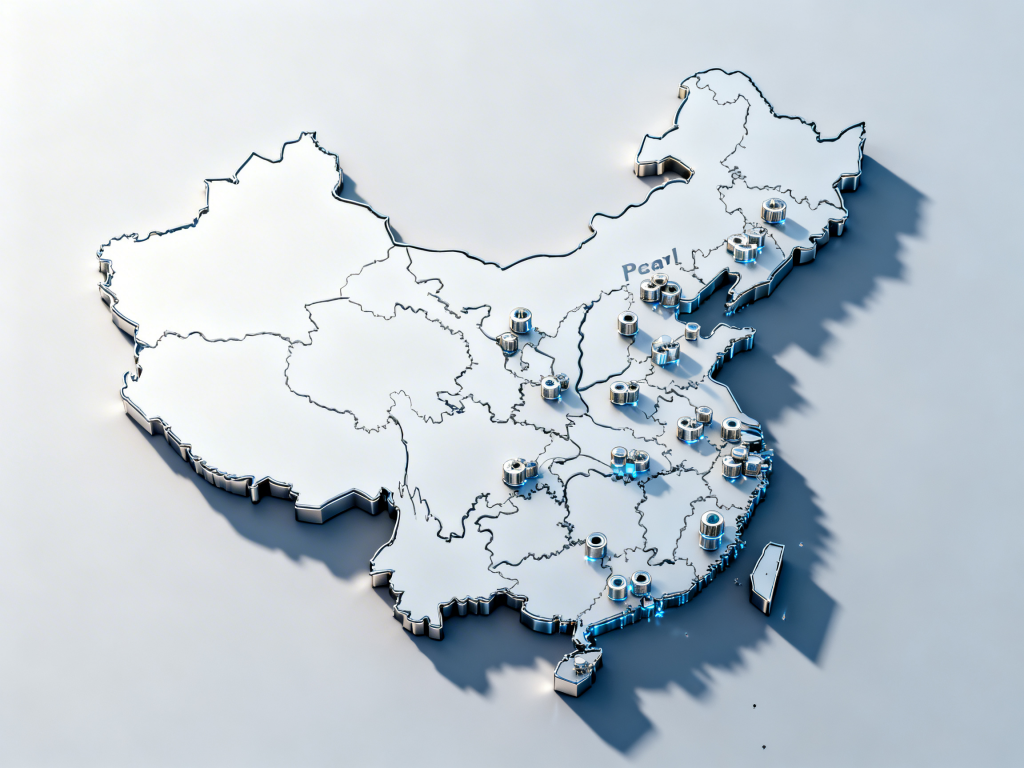
The operational scale of China injection molding is defined by its density and specialization. Verified data indicates a network of over 7,000 registered injection molding plants, supported by tens of thousands of upstream mold manufacturers. This ecosystem allows for a supply reach extending to over 200 countries. Geographically, this capacity is not evenly distributed but concentrated in strategic zones.
The Pearl River Delta, particularly Shenzhen and Dongguan, serves as the primary hub for high-precision electronics and rapid prototyping. This region is renowned for its tight turnaround times and export-oriented facilities. Conversely, the Yangtze River Delta, with Ningbo known as the “City of Molds,” contributes roughly 65% of the national output value. Suzhou’s ecosystem focuses heavily on precision engineering, creating a distinct advantage for projects requiring complex mold structures and high-volume consistency.
Sector-Specific Demand and Supply Chain Strength
Demand for China injection molds is driven primarily by two sectors: consumer electronics and automotive. Electronics and appliances account for approximately 38% of the market share, driven by high aesthetic requirements for device housings and short product lifecycles. The automotive and new energy vehicle sector follows closely with a 32% share, where lightweighting trends boost the consumption of engineering plastics like PA and PC for large-scale components such as bumpers and interiors.
Supporting these industries is a robust supply chain that processes 70% of general plastics (PP, PE, ABS) while increasingly integrating high-performance resins. Advanced manufacturing technology has also shifted from hydraulic systems to all-electric precision machines, ensuring cleaner and more accurate production. This infrastructure enables providers to offer China injection molding services that include automated assembly and secondary operations, significantly reducing time-to-market for complex global projects.
Livepoint Tooling Precision Manufacturing Solutions
Leveraging over 20 years of experience, Livepoint Tooling delivers ISO 9001 and IATF 16949 certified injection mold service China solutions, ranging from rapid prototyping to high-volume mass production.
Certified OEM and ODM Engineering Capabilities
Livepoint Tooling distinguishes itself within the Shenzhen hub by integrating comprehensive OEM and ODM services under one roof. The facility operates over 30 injection machines with a press range of 100 to 800 tons, capable of producing more than 100,000 parts per month. This capacity is supported by a team holding over 50 patents, ensuring that every project benefits from proprietary technical innovations.
For international B2B clients, the company offers a seamless workflow starting with detailed DFM analysis and mold flow simulation. Whether the requirement is for standard thermoplastic parts using materials like ABS, PC, and PBT, or specialized rubber injection molding, the engineering support ensures full compliance with global standards. The ability to deliver T1 samples in as little as two weeks highlights the efficiency of their rapid tooling processes.
Advanced Molding Technologies and Quality Assurance
To meet the rigorous demands of the medical and automotive sectors, Livepoint Tooling employs ultra-high precision techniques capable of achieving tolerances as tight as 0.005 mm (±0.05 mm for critical features). Their expertise extends to complex processes such as insert molding, overmolding, and two-shot molding, which reduce assembly costs and enhance product durability.
Historical performance validates these capabilities. For instance, in a project for high-precision infrastructure pipes, the team utilized patented core-pulling technology to achieve ±0.15 mm dimensional tolerance across 300,000 units. Similarly, their production of UHV hybrid insulators demonstrated a 95% mass-production yield with significantly faster molding cycles. Capitalize on the immense capacity and precision of this manufacturing network by selecting a partner that meets your exact technical specifications today.
