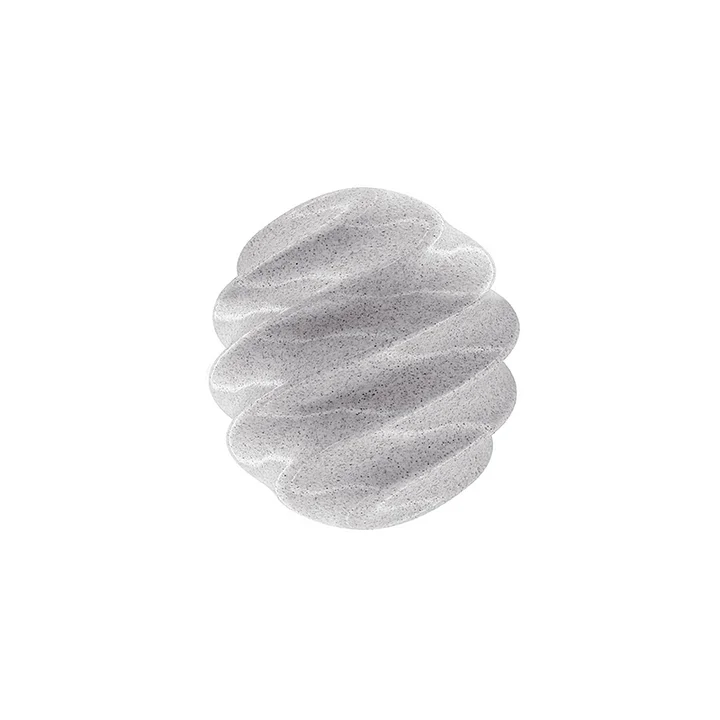
Achieving a natural stone-like appearance in home 3D printing often depends on more than simply choosing the right material. When hobbyists use PLA filament marble, printer settings strongly influence how realistic the final model looks. One parameter that has a particularly noticeable impact is layer height. Many personal makers experimenting with decorative prints quickly discover that the texture produced by marble-style filament can change significantly depending on how each layer is deposited. CaiLab offers a marble-style filament designed to create a realistic stone appearance with subtle color variation. However, translating that visual potential into a convincing printed object requires careful control of layer height so the layered structure complements the filament’s natural speckled effect rather than overpowering it.
How Layer Height Shapes Surface Texture
Layer height determines how thick each deposited layer of material will be during the printing process. When users print with marble PLA, thicker layers can make layer lines more visible, which may compete with the stone-like particles embedded in the material. By contrast, a finer layer height typically produces smoother transitions between layers, allowing the natural speckled pattern of marble PLA to become the visual focus. For many decorative prints such as vases, sculptures, or display pieces, adjusting layer height can help balance printing time with surface detail. When settings are chosen carefully, PLA filament marble can reproduce a texture that resembles carved stone rather than stacked plastic layers.
Material Characteristics and Print Settings
Filaments designed to imitate marble often contain subtle color variations that simulate natural mineral patterns. The marble PLA option provided by CaiLab reflects this approach by combining standard PLA printability with a realistic stone-like finish suitable for decorative models and household objects. Because the visual texture comes from the filament itself, the printer settings should support rather than obscure that pattern. Lower layer heights can help reveal gradual color transitions across the surface, while moderate speeds maintain consistent extrusion. In this way, the natural appearance of marble PLA becomes more noticeable, especially on curved surfaces where the layered structure interacts with the speckled material pattern.
Conclusion: Layer Height as a Key Detail in Marble-Style Printing
For personal 3D printing enthusiasts, understanding the relationship between settings and material appearance can significantly improve results. When working with PLA filament marble, layer height plays a central role in shaping the final texture of the printed object. A carefully chosen layer height allows the stone-inspired pattern to appear more natural while minimizing visible layer lines. CaiLab’s marble-style filament is designed to provide a realistic visual effect, but achieving that look in practice depends on balanced printer settings. By adjusting layer height thoughtfully, makers can better highlight the distinctive qualities that make marble PLA appealing for decorative 3D prints.
