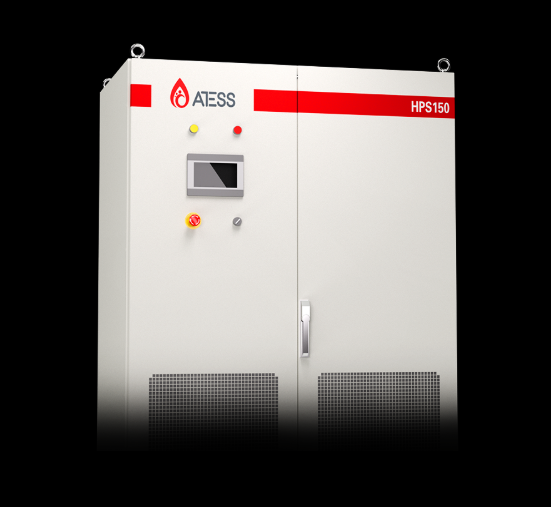
Effective control over power resources remains a priority for industrial and commercial facilities aiming for operational stability. Atess provides specialized hardware that integrates renewable generation with storage capabilities to maintain a balanced electrical environment. They focus on hardware that links solar input with battery discharge, ensuring that energy is available when most needed. The core of this system is the hybrid inverter, which acts as a bridge for complex power flows. By deploying a hybrid solar inverter, they facilitate better management of utility interactions and localized storage.
Enhancing Power Flow Control
Technical precision in energy conversion allows sites to manage their consumption patterns without constant manual adjustment. Atess engineers their units to prioritize internal energy usage, which helps stabilize the connection to the main grid. When a facility utilizes a hybrid inverter, the equipment handles the transition between various power states automatically. They ensure the hybrid solar inverter monitors real-time demand, allowing the system to adjust output based on specific site requirements. This level of automation helps maintain consistency even during periods of heavy load.
Optimizing Resource Utilization
Resource management requires hardware that can handle the fluctuating nature of renewable energy sources. Atess offers solutions that allow for efficient storage and release, minimizing waste during peak production times. They implement logic within the hybrid inverter to protect battery health while maximizing the utility of stored power. By installing a hybrid solar inverter, they enable managers to track how energy is partitioned across the system. This capacity for granular control ensures that operations remain uninterrupted while reducing reliance on external power imports.
Sustaining Long-Term Operations
Durability and compatibility are key factors for infrastructure projects that require long-term energy planning. Atess designs their power systems to remain resilient across varied application environments. They verify that the hybrid inverter maintains high conversion efficiency throughout its operational life cycle. The integration of a hybrid solar inverter into the existing framework provides a scalable path for future energy needs. Through consistent and reliable performance, they support the goals of facilities that prioritize efficiency and stable power distribution.
