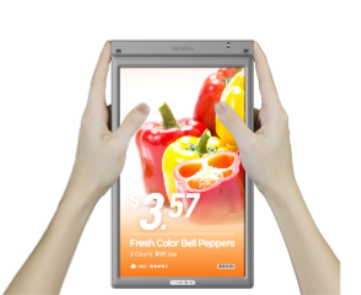
Retailers choosing between traditional LCD screens and dedicated shelf labelling systems often face conflicting priorities: rich visuals versus battery life, or dynamic video versus long‑term durability. An electronic shelf label (ESL) and an LCD display serve fundamentally different purposes on the store floor. Understanding where each technology excels helps buyers make a cost‑effective, operationally sound decision. Below is a side‑by‑side comparison to guide retailers toward the best digital price tag solution for their specific environment.
Power Consumption and Longevity
LCD screens require constant power—either through wiring or frequent battery changes—because they refresh dozens of times per second. This makes them impractical for high‑density shelf edges where running electrical cabling is expensive or impossible. By contrast, an electronic shelf label uses bistable e‑paper or low‑power LCD technology that consumes energy only when updating content. A typical digital price tag runs for five to fifteen years on a single coin cell battery. For retailers managing thousands of shelf units, this difference translates into massive labour and infrastructure savings. Choosing an electronic shelf label over LCD eliminates the need for continuous charging or wired installations.
Visual Performance and Content Suitability
LCD screens excel at displaying video, animations, and rapidly changing content such as countdown timers or flash sale countdowns. However, for standard price and promotion display, an electronic shelf label provides crisp, sunlight‑readable text with wide viewing angles and no glare. Modern digital price tag solutions also incorporate colour technology. The Hanshow Polaris Pro series boasts a high screen‑to‑body ratio and expansive display space with innovative multicolor display technology. This allows a digital price tag to show promotional banners, nutritional icons, or expiration highlights without the power drain of LCD. For most shelf edge applications, an electronic shelf label offers superior readability at a fraction of the operating cost.
Durability and Environmental Fit
LCD screens are fragile, prone to cracking, and vulnerable to moisture and dust. In grocery cold rooms, outdoor garden centres, or DIY warehouses, LCDs quickly fail. An electronic shelf label is built for retail harshness. With industrial protection ratings (e.g., IP68) and scratch‑hardened surfaces, a digital price tag withstands cleaning chemicals, cart bumps, and temperature swings. Furthermore, the bistable nature of ESLs means content remains visible even when power is disconnected—a critical safety feature for inventory audits.
Making the Right Choice for Your Retail Format
For most high‑volume, multi‑location retailers, the electronic shelf label is the clear winner over LCD for primary shelf pricing. LCDs are best reserved for promotional end‑caps or digital signage, not for individual gondola labels. Hanshow offers both worlds: the Polaris Pro series delivers vibrant multicolor ESL performance with ultra‑low power consumption and a high screen‑to‑body ratio. Adopting Hanshow’s digital price tag technology gives retailers the durability, battery life, and visual flexibility of a modern electronic shelf label—without the operational headaches of LCD. Partner with this company to put the right display technology on every shelf.
