In many clinical environments, recording patient data accurately and efficiently can influence treatment decisions and workflow productivity. When staff rely on manual logbooks or standalone electronic records, there is a risk of transcription delays and human error. Modern devices such as a hospital patient monitor help capture, display, and relay physiological data with minimal manual intervention. As hospitals seek ways to improve data quality and reduce the burden on caregivers, comparing manual data entry with automated monitoring systems reveals significant differences in efficiency and care continuity.
Challenges with Manual Data Entry
Manual data entry has been a longstanding method for documenting vital signs in wards and clinics. Nurses or aides typically measure parameters such as blood pressure, heart rate, temperature, and oxygen levels, and then write or type those results into a chart or digital file. This process requires repeated attention throughout a shift, and there is the potential for transcription errors or delays between measurement and recording. When patient trends are needed for clinical decisions, staff must often compile scattered entries to assess changes over time. These manual steps can consume valuable time that caregivers might otherwise spend in direct patient care.
Benefits of Automated Monitoring
A patient vital signs monitor streamlines data capture by automatically measuring key parameters and, in many cases, transmitting the results where they are needed most. Devices equipped with network connectivity feed results directly into electronic health records or other hospital information systems. By reducing reliance on manual input, these monitors support more timely decision-making and enhance data accuracy. Automated trend storage also allows clinicians to review hours of data without having to collate separate entries from paper charts.
Why the EDAN iM3 Matters
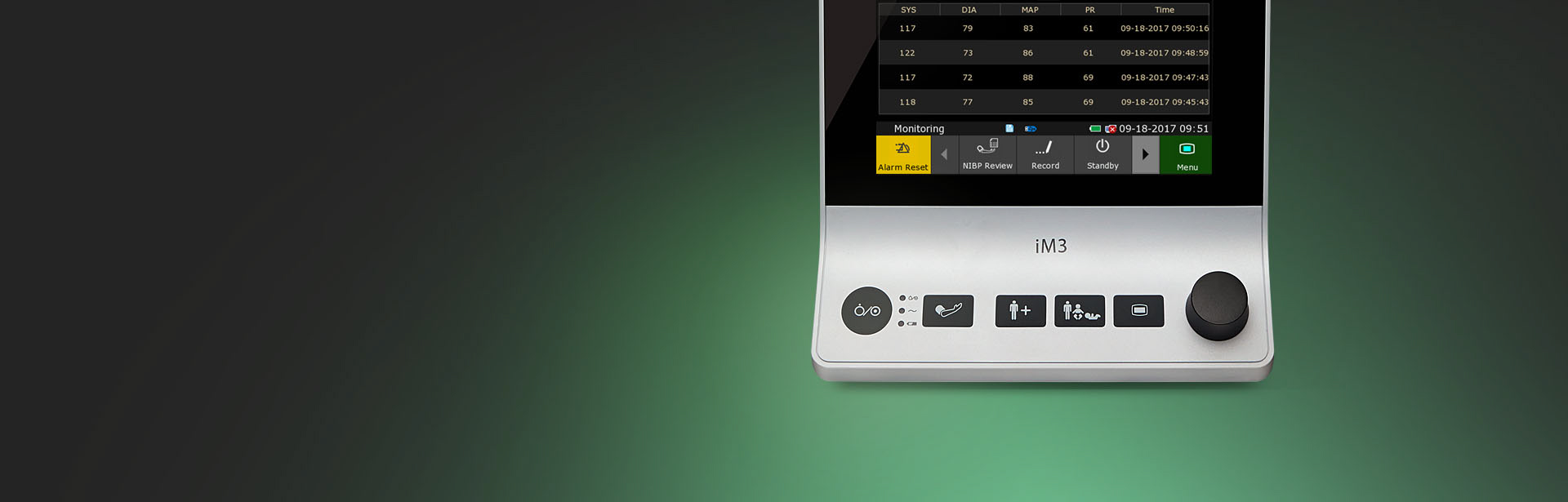
An example of an effective automated device is the EDAN iM3, which combines multiple measurement capabilities with flexible operation modes to suit different clinical needs. The iM3 records and stores large volumes of physiological data and supports both continuous observation and quick spot checks. With options for wireless communication and export to clinical systems via USB or WiFi, it reduces the need for repetitive manual recording while improving the speed of information access. The device’s internal memory also retains extensive historical data for trend analysis.
Conclusion
Choosing between traditional manual data entry and automated monitoring solutions has implications for clinical accuracy, staff workload, and patient care quality. Automated hospital patient monitor systems that capture and share vital sign metrics help streamline workflows and enhance real-time visibility into patient status. Devices like the EDAN iM3 demonstrate how technological integration supports both efficiency and effective care delivery in busy healthcare environments.
