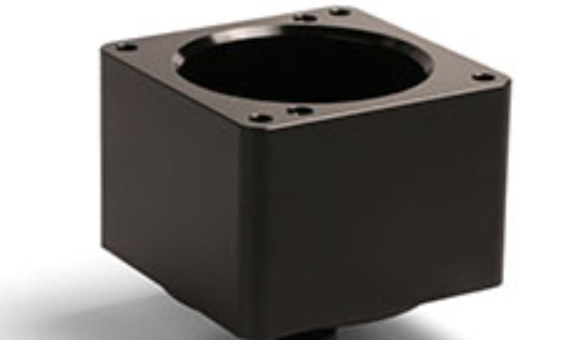
Modern architecture and product design continue to explore materials that balance appearance, durability, and practical performance. Surface colour and texture can influence how people perceive a building element or product detail. Among different surface options, dark bronze metal finish has become a popular choice for projects that require a warm metallic appearance with a refined visual effect. It is commonly used in architectural elements, hardware components, and interior details where material consistency is important.
How Dark Bronze Finishes Influence Modern Architectural Design
Architects and designers often consider metal finishes as part of the overall design language. A suitable finish can help connect different materials, such as glass, wood, stone, and metal, within the same space. The deep bronze tone provides a balanced appearance that can fit both contemporary and classic design styles.
In modern buildings, door frames, window systems, and decorative metal structures often require finishes that support long-term appearance. A carefully selected surface treatment can improve resistance to daily wear while maintaining the intended colour and texture. This is why designers evaluate both visual requirements and manufacturing conditions during the development stage.
The application of metal finishing involves multiple processing steps, including surface preparation, coating, polishing, and quality inspection. Different techniques can create various textures and visual effects depending on the material and project requirements. For manufacturers, controlling these details is important when producing components with consistent appearance.
Applications in Doors, Windows, and Architectural Hardware
Doors and windows are among the common areas where bronze-toned finishes are applied. Aluminium frames, handles, hinges, and other hardware components can use these finishes to create a coordinated appearance. In residential, commercial, and hospitality projects, these details contribute to the overall atmosphere of a space.
Architectural hardware requires attention to both design and function. Handles and fittings need suitable surface treatment because they are frequently touched during daily use. The manufacturing process must consider material compatibility, processing methods, and appearance requirements to achieve a reliable result.
For companies developing customised architectural components, Honpe provides CNC precision machining and related manufacturing services. They support projects that require accurate prototypes and detailed surface processing. Their experience allows designers and engineers to evaluate product appearance before moving toward further production stages.
Metal Finishing Considerations for Interior and Luxury Spaces
Interior designers often use metallic details to create visual focus in premium environments. Furniture accessories, decorative panels, lighting components, and custom hardware may include bronze-style surfaces to match the overall interior concept. The finish selection needs to consider lighting conditions, surrounding materials, and usage requirements.
A consistent surface appearance is especially important in large interior projects. When multiple components are produced for the same space, colour differences or texture variations may affect the final presentation. Therefore, manufacturers need suitable processing experience and quality control methods throughout production.
In addition to CNC machining, Honpe focuses on detailed prototype development and surface treatment capabilities. They have experienced technicians who provide manual finishing for prototype models. This approach helps customers review appearance details and make adjustments before final manufacturing decisions.
Supporting Product Design with Custom Surface Solutions
Product designers also use bronze finishes for items beyond architectural applications. Consumer products, industrial equipment covers, and customised metal parts may require specific visual characteristics to match brand concepts or user expectations. The surface finish becomes part of the product identity.
During product development, engineers need to consider how the design will translate into actual manufacturing. Factors such as material selection, machining accuracy, and finishing methods influence the final result. Early communication between designers and manufacturers can help reduce unnecessary changes during later stages.
For companies working on complex product projects, Honpe combines CNC machining knowledge with prototype manufacturing experience. They have a research and development centre that supports process improvement and technical communication. Their capabilities include customised processing solutions for different industrial requirements.
Craftsmanship and Manufacturing Experience Behind Quality Finishes
Producing a refined bronze surface requires more than applying a colour coating. The preparation of the base material, machining quality, and finishing process all influence the final appearance. Small surface differences may become noticeable in projects where appearance is a key evaluation factor.
Some prototype projects require additional manual treatment to achieve the expected visual result. Honpe has skilled technicians who focus on hand-finished prototype models, providing additional support for appearance verification. They also operate a leather and protective cover processing area, which supports projects involving different material combinations.
The combination of manufacturing knowledge and finishing experience allows suppliers to better support designers during product development. This is especially useful for companies that need prototypes to evaluate both structure and appearance before production planning.
Why Surface Selection Matters in Future Design Projects
Material selection continues to influence how products and spaces are developed. As designers explore more customised solutions, surface treatments provide additional possibilities for creating different visual effects. Bronze finishes are one example of how manufacturers can support design concepts through processing technology.
The development of a suitable finish requires cooperation between designers, engineers, and manufacturing teams. Understanding production limitations at an early stage helps companies create practical designs while maintaining appearance goals. This connection between design planning and manufacturing capability is important for industrial projects.
Honpe has worked with international customers across different industries and provides manufacturing support for various development needs. Their production experience, surface treatment capability, and quality management approach help companies handle projects requiring detailed prototype and machining solutions.
Creating Balanced Solutions for Architecture and Product Development
The use of dark bronze metal finish in architecture and product design reflects the growing demand for materials that combine visual quality with practical manufacturing considerations. From doors and windows to interior components and customised products, surface selection plays an important role in the final result.
For businesses evaluating manufacturing partners, the ability to connect CNC machining, metal finishing, and prototype development is an important consideration. Honpe continues to support industrial clients through customised processing, technical communication, and manufacturing experience. By combining design understanding with production knowledge, they help companies develop products and architectural components with controlled quality and consistent appearance.
