Solar assets spread across remote sites cannot depend on local screens and manual checks alone. Operators need reliable data exchange to understand voltage, current, alarms, and operating status without visiting every installation.
A PV charge controller becomes part of that communication chain when photovoltaic generation is connected to storage and supervisory control. YUNT develops modular power equipment for solar and energy storage applications, with communication interfaces that support remote system monitoring and control.
Why Communication Matters in Remote Solar Sites
SCADA systems collect information from field equipment and present it through a centralized interface. That arrangement allows operators to compare operating conditions across multiple locations, identify abnormal readings, and review historical trends without relying on physical inspections.
Communication is particularly useful where solar arrays are installed far from maintenance centers. A sudden voltage deviation, communication loss, or protection event can be difficult to identify from production data alone. Timely status information gives operators a clearer picture of what is happening at the site.
The value of a PV charge controller extends beyond power tracking when it becomes part of a connected architecture. Its operating data can contribute to broader visibility across PV generation, battery charging, and DC-side power flow.
Selecting Suitable Communication Interfaces
Different devices may use Ethernet, RS485, CAN, or other industrial interfaces. The appropriate option depends on distance, network design, equipment compatibility, and the amount of information that must be exchanged. A protocol should fit the entire communication architecture rather than being selected in isolation.
RS485 remains common in industrial environments because it supports reliable serial communication across relatively long cable runs. Ethernet offers greater networking flexibility and can integrate naturally with site-level switches and supervisory systems. CAN is also useful where fast communication between power electronics and battery-related equipment is required.
A PV charge controller manufacturer designing equipment for SCADA applications needs to consider more than physical connectivity. Data structure, addressing, response behavior, and fault reporting all affect whether field information can be interpreted correctly by the supervisory layer.
Making Remote Data More Useful
Raw measurements are only useful when operators can understand their meaning. Voltage, current, power, alarm status, and protection events should be mapped consistently so that SCADA software can distinguish normal fluctuations from conditions requiring attention.
Sampling frequency also deserves consideration. Solar output can change quickly with cloud movement, while some operating parameters change much more slowly. Collecting every signal at the same interval may create unnecessary communication traffic without improving operational awareness.
A well-configured PV charge controller can provide the field-level information required for more informed decisions. When integrated with a SCADA platform, this data allows remote teams to examine trends, compare operating periods, and investigate unusual behavior before dispatching technicians to the site.
Designing Reliable Remote Architectures
Communication reliability depends partly on the physical network. Cable routing, electromagnetic interference, grounding, network segmentation, and environmental conditions can all affect signal quality. Remote installations may also require backup communication paths when a single connection cannot provide sufficient availability.
Cybersecurity is another consideration. SCADA networks should separate critical control functions from less sensitive data traffic where practical. Access permissions, secure network architecture, and controlled remote access can reduce the risk associated with unauthorized commands or altered operating data.
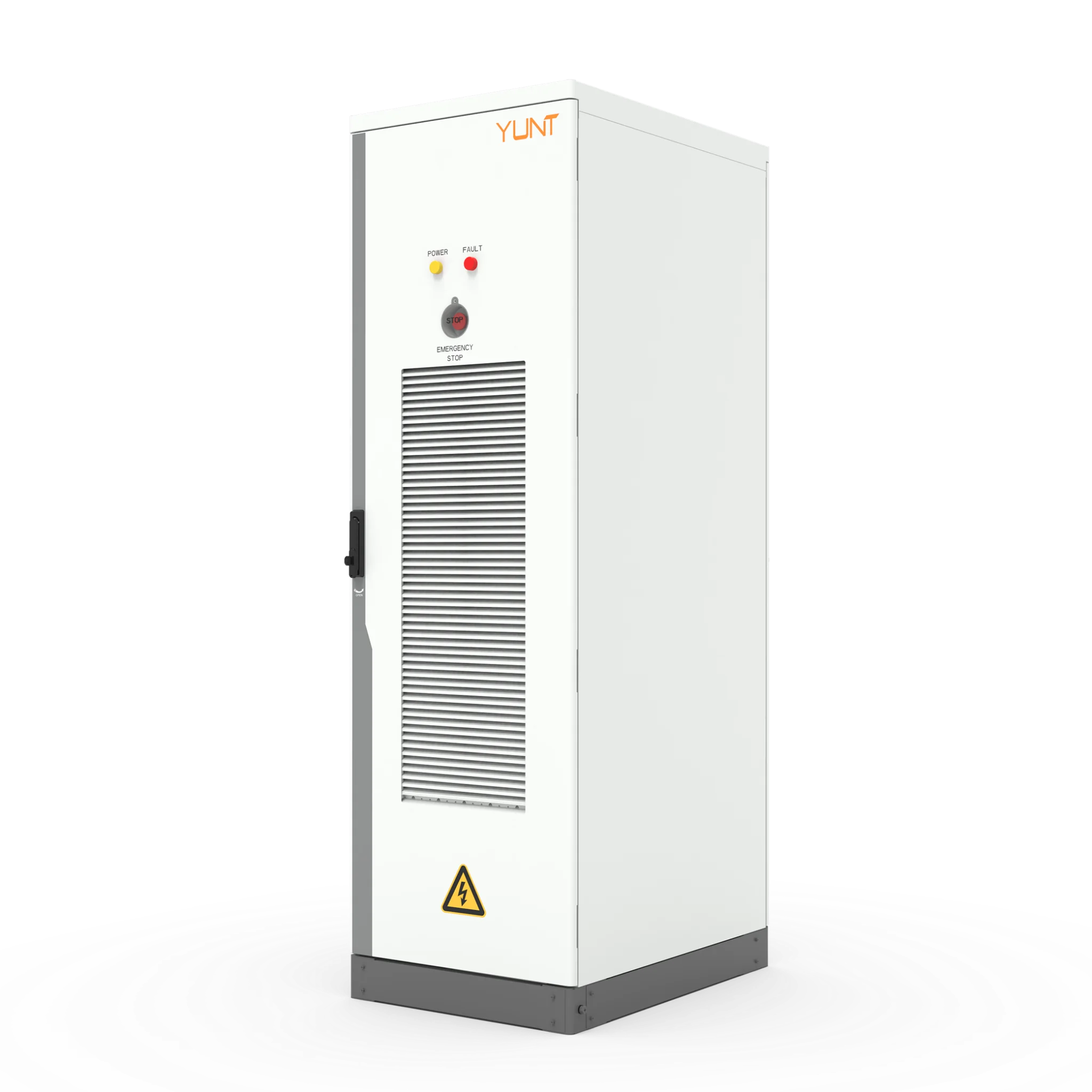
The equipment itself must also provide suitable interfaces. YUNT’s MPPT cabinet range includes Neptune-M120, Neptune-M180, Neptune-M240, Neptune-M300, and Neptune-M360, covering 120 kW to 360 kW. The cabinets support Ethernet, RS485, and CAN communication, while the system uses modular expansion, independent DC outputs, and multiple protection functions. The listed efficiency exceeds 99.2%, with IP54 protection and intelligent air cooling.
Improving SCADA Response and Maintenance
Alarm design should focus on actionable information rather than producing an overwhelming stream of notifications. Operators may prioritize overvoltage, overcurrent, insulation issues, overheating, communication faults, and other conditions according to their operational impact.
Historical records can make remote maintenance more efficient. Repeated deviations in one section of a solar plant may indicate a developing equipment problem, while stable measurements across the rest of the site can narrow the investigation. Such comparisons reduce dependence on guesswork.
For a PV charge controller manufacturer, compatibility with supervisory platforms is increasingly connected to practical service requirements. Clear data mapping, accessible interfaces, and structured fault information make remote diagnostics easier and support more consistent operation across geographically dispersed assets.
Turning Connectivity Into Operational Visibility
Remote SCADA architecture works best when communication is treated as part of the electrical system rather than an afterthought. A PV charge controller manufacturer can contribute to that architecture through suitable interfaces, structured data, and dependable field communication.
YUNT’s equipment reflects this modular approach, combining multiple communication options with PV-side monitoring and protection functions. A well-designed communication layer ultimately gives operators clearer visibility, faster fault recognition, and better control over distributed solar and storage assets. YUNT remains positioned within this evolving field as remote energy systems demand increasingly connected and manageable infrastructure.
