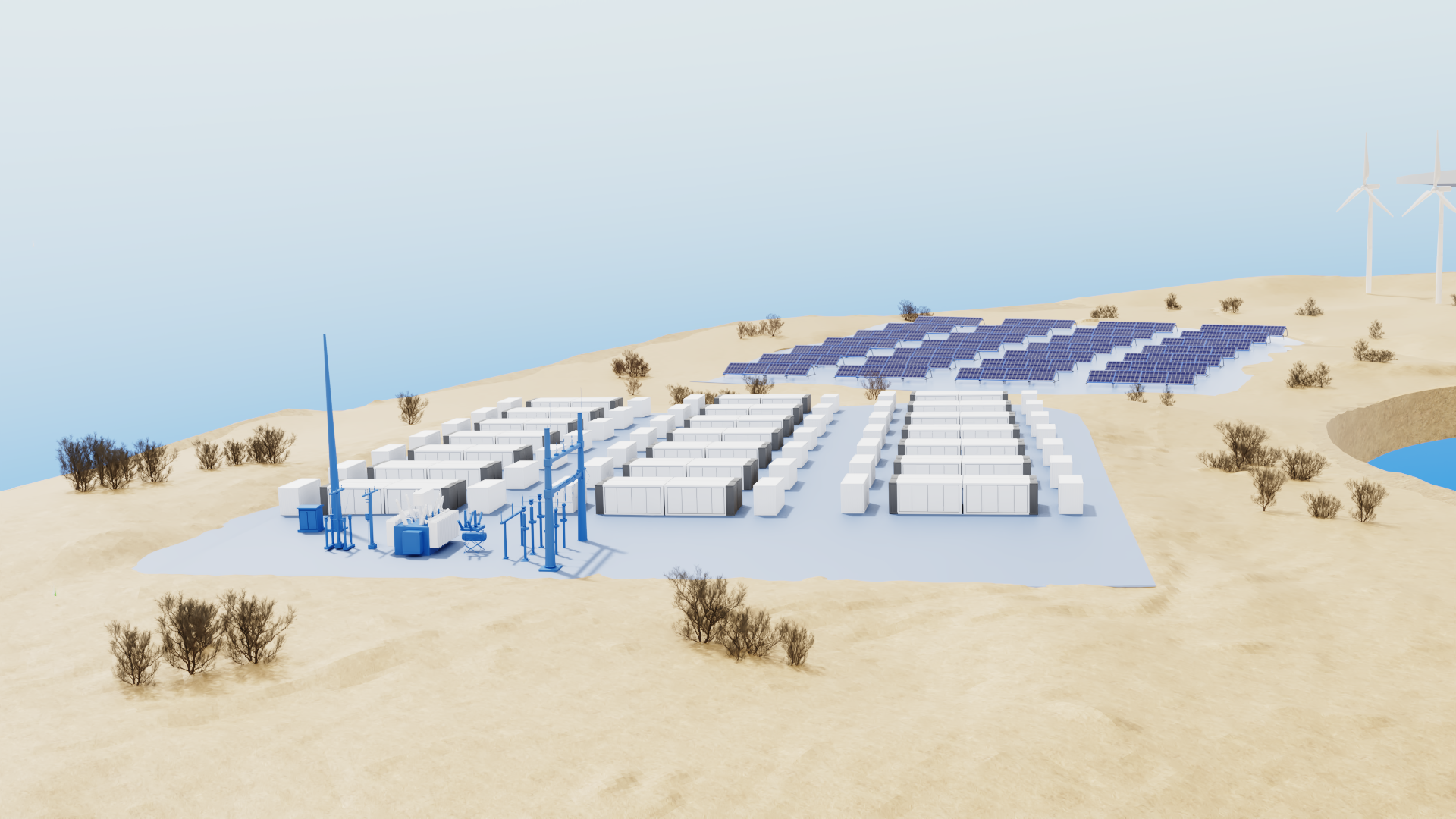
The electric power grid, long defined by centralized, predictable generation, is undergoing its most profound transformation in a century. This change is driven by the urgent need to integrate intermittent renewable energy and the increasing complexity of balancing supply and demand. At the core of this modern evolution is utility-scale battery storage, a technology that acts as the grid’s flexible buffer, ensuring reliability, optimizing economics, and fundamentally enabling a resilient, decarbonized future. For B2B project developers, Independent Power Producers (IPPs), and utility operators, understanding the roles of these massive systems is essential to navigating the new energy landscape.
The Linchpin of Renewable Energy Integration
The primary challenge of a renewable-dominated grid is intermittency—solar only generates during the day, and wind depends on weather conditions. Utility scale storage solutions solve this problem by providing the necessary energy time-shift, effectively reshaping generation profiles to meet demand.
Solar Firming and Renewables Shifting: Battery systems charge when renewable generation is abundant and inexpensive, such as during midday solar peaks, and then discharge the stored energy during evening peak demand hours. This practice maximizes the value of renewable assets by turning variable output into a dispatchable, predictable resource.
Curtailment Mitigation: Without storage, excess renewable energy must often be “curtailed” or thrown away when grid demand is low. Utility scale battery storage captures this surplus power, saving clean electrons that would otherwise be wasted and further increasing the economic return on renewable investments. This capability is key to increasing the penetration of clean energy without compromising system stability.
Energy Storage System Solutions for Grid Reliability
A modern grid requires speed and precision to maintain the delicate balance of supply and demand. The fast-response capability of lithium-ion BESS makes them indispensable for providing crucial ancillary services that were traditionally supplied by fossil fuel plants.
Frequency and Voltage Regulation: Utility scale storage solutions can transition from full charging to full discharging in milliseconds. This rapid response is vital for injecting or absorbing power instantly to correct momentary frequency or voltage deviations caused by sudden changes in generation or load. This quick reaction time is often superior to that of conventional power plants, ensuring the grid stays within its operational parameters and preventing cascading outages.
Reserve Capacity: In the event of a sudden, unplanned loss of a large generator (N-1 contingency), the BESS can immediately supply reserve capacity, acting as a crucial safety net for the grid operator. This instant provision of power significantly enhances overall grid security and resilience.
Utility Scale Battery Storage and Economic Optimization
For B2B entities, the deployment of utility scale battery storage represents a strategic investment that generates revenue and defers capital expenditures. These systems operate as flexible assets capable of performing multiple services simultaneously.
Energy Arbitrage: Utilities and developers use storage to capitalize on price volatility. Systems charge when energy market prices are low and discharge when prices are high, generating significant revenue through electricity arbitrage.
Transmission and Distribution (T&D) Deferral: Strategically placed battery systems can relieve congestion on T&D lines during peak usage periods. By managing local energy flows, they can defer or even avoid the need for costly, multi-year upgrades or construction of new transmission infrastructure, providing an immediate and cost-effective grid upgrade.
HiTHIUM’s Role in Delivering Advanced Utility Scale Storage Solutions
Specialized BESS manufacturers like HiTHIUM are essential to delivering the high-performance, high-safety products required by the utility scale battery storage sector. HiTHIUM’s singular focus on stationary storage ensures its products are optimized for the intense demands of the grid.
A prime example is the company’s solution offerings, such as the ∞Power series, designed for long-duration applications. These high-capacity systems are engineered using advanced Lithium Iron Phosphate (LFP) cells, which offer superior thermal stability and longevity. Products within this range, such as those tailored for 4-hour or longer discharge requirements, are critical for LDES (Long-Duration Energy Storage) applications, which address energy shifting and capacity needs over extended periods. For B2B project managers, this commitment to high-capacity, long-life products—with high-performing LFP cells—provides the highest assurance of a low Levelized Cost of Storage (LCOS) over the project’s lifetime.
To concludeThe comprehensive energy storage system solutions provided by HiTHIUM are fully integrated, liquid-cooled units. The use of liquid-cooling technology is non-negotiable at the utility scale because it efficiently maintains the battery cells at their optimal temperature, preserving their lifespan and ensuring consistent performance in diverse environments. The ability of HiTHIUM to provide flexible, safety-certified, and high-energy-throughput solutions is what enables the widespread, confident deployment of utility-scale assets that are fundamentally reshaping the future grid.
