Operating a DC EV charger often involves more than purchasing the hardware itself. For many charging operators, energy demand charges, installation complexities, and ongoing maintenance quickly become the main sources of hidden expenses. In many cases, these costs fluctuate depending on local grid stability and the number of vehicles served at peak times. Companies like AMPPAL have observed that operators frequently underestimate long-term expenditures related to grid configuration and site planning. Because an EV DC fast charger requires higher power levels, issues such as transformer loading, cable losses, and thermal management also contribute to unexpected operational burdens.
How Proper Infrastructure Choices Reduce Costs
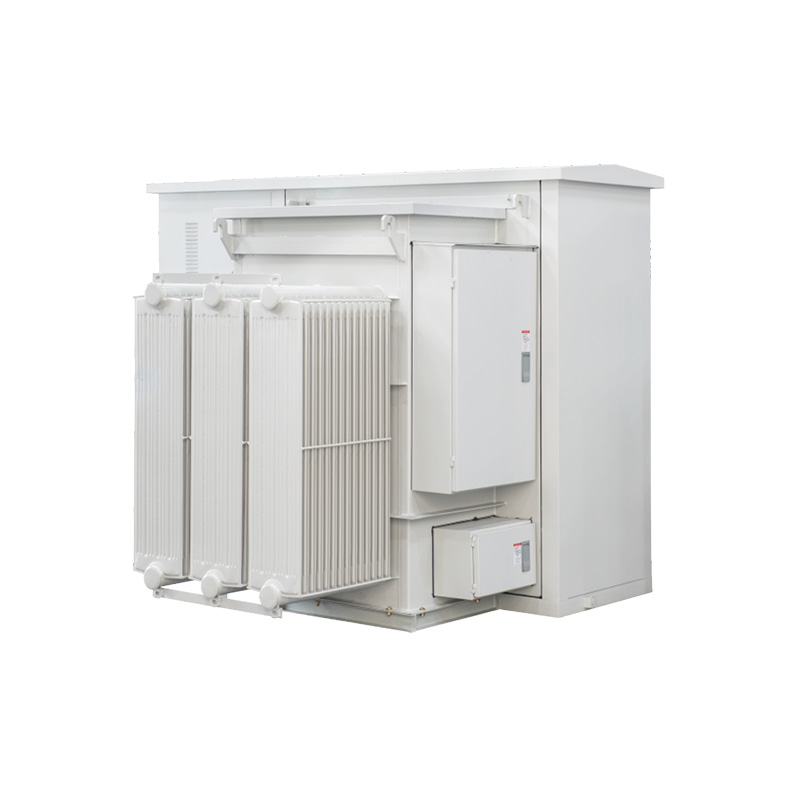
A well-designed power system is essential when deploying any DC EV charger, and this is where the right distribution equipment makes a measurable difference. Selecting stable and modular components not only improves system uptime but also reduces the frequency of on-site corrective work. When discussing efficient charging infrastructure, industry professionals often reference products used in renewable energy fields. For example, they offer a New Energy Combined Transformer designed for both wind and photovoltaic sites. This modular transformer integrates a step-up transformer, high-voltage current-limiting fuse, oil-immersed load switch, and low-voltage switchgear cabinet. Its capacity range of 500–5800 kVA and compatibility with voltage levels of 35 kV and below allow it to support reliable charging installations in diverse environments, which indirectly lowers long-term operating costs for an EV DC fast charger.
Strategies for Minimizing Long-Term Operational Expenses
To control costs, operators must focus on energy-efficient planning and equipment capable of handling fluctuating load patterns. Smart scheduling, real-time monitoring, and proper transformer sizing help ensure that each DC EV charger functions within an optimal operating window. When systems are configured correctly, issues like overheating, power surges, and transformer stress are significantly reduced. By integrating devices similar to those used within renewable power stations, operators can stabilize output and extend equipment lifespan. This approach also helps ensure consistent performance of every EV DC fast charger, reducing unnecessary service interruptions and maintaining predictable operational expenses.
Conclusion
In summary, the hidden costs of running a DC EV charger generally come from installation factors, grid conditions, and long-term maintenance needs. Through careful planning, operators can reduce these costs by choosing durable infrastructure and transformer systems backed by companies like AMPPAL. Their modular transformer solutions—originally designed for large-scale renewable projects—offer stability and efficiency that also benefit EV DC fast charger deployments. With thoughtful configuration and proper equipment selection, operators can maintain reliable service while keeping total operating expenses under control.
