Managing diabetes effectively requires consistent monitoring, making the reliability and functionality of a blood sugar monitor crucial. However, many users grapple with questions about how often to change their monitors to ensure accuracy and optimal performance. This article explores the factors influencing the lifespan of these devices and offers guidance on when to consider an upgrade.
Understanding Lifespan and Technology
The longevity of a blood sugar monitor is influenced by several factors, including frequency of use and exposure to environmental conditions. Most manufacturers recommend assessing the device’s performance regularly. If users notice discrepancies in readings or other operational issues, it might be time to consider replacing the monitor. For instance, if your blood sugar monitor displays inconsistent results despite using new test strips, evaluating the device’s condition is essential.
Optimal Maintenance Practices
To extend the lifespan of a blood sugar monitor, users should follow proper maintenance practices. Regular cleaning and careful handling can help prevent damage. Moreover, users should keep track of the expiration dates on test strips and lancets, as expired products can lead to inaccurate results. Devices like the Sinocare blood glucose meter offer additional assurance with their advanced technology, featuring code-free strips that resist common interferences, enhancing reliability and minimizing maintenance worries.
Recognizing the Signs for Change
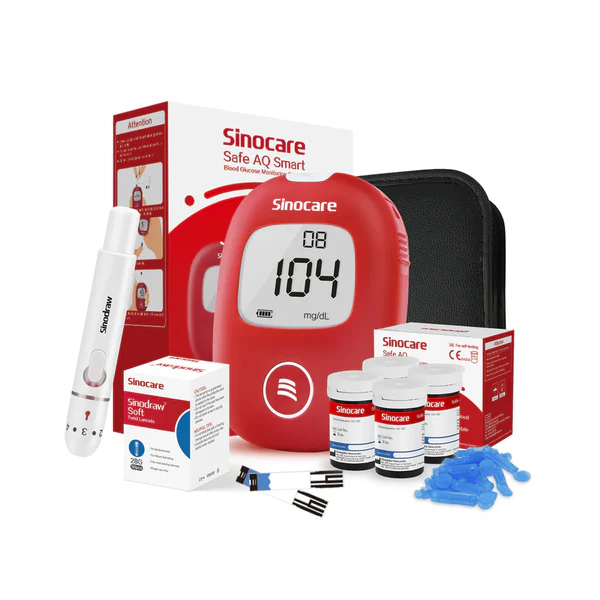
Signs indicating that it may be time to change a blood sugar monitor include persistent inaccuracies, physical damage, or outdated technology. Upgrading to a more advanced device, such as the Sinocare Safe AQ Smart Blood Sugar Monitor, which offers a pain-free testing experience and quick results with minimal blood sample requirements, can significantly enhance monitoring efficiency.
Investing in a reliable blood sugar monitor is vital for effective diabetes management. Brands like Sinocare provide comprehensive solutions that equip users with everything needed for accurate testing. By understanding when to change these devices, patients can maintain better control of their health and improve their quality of life.
