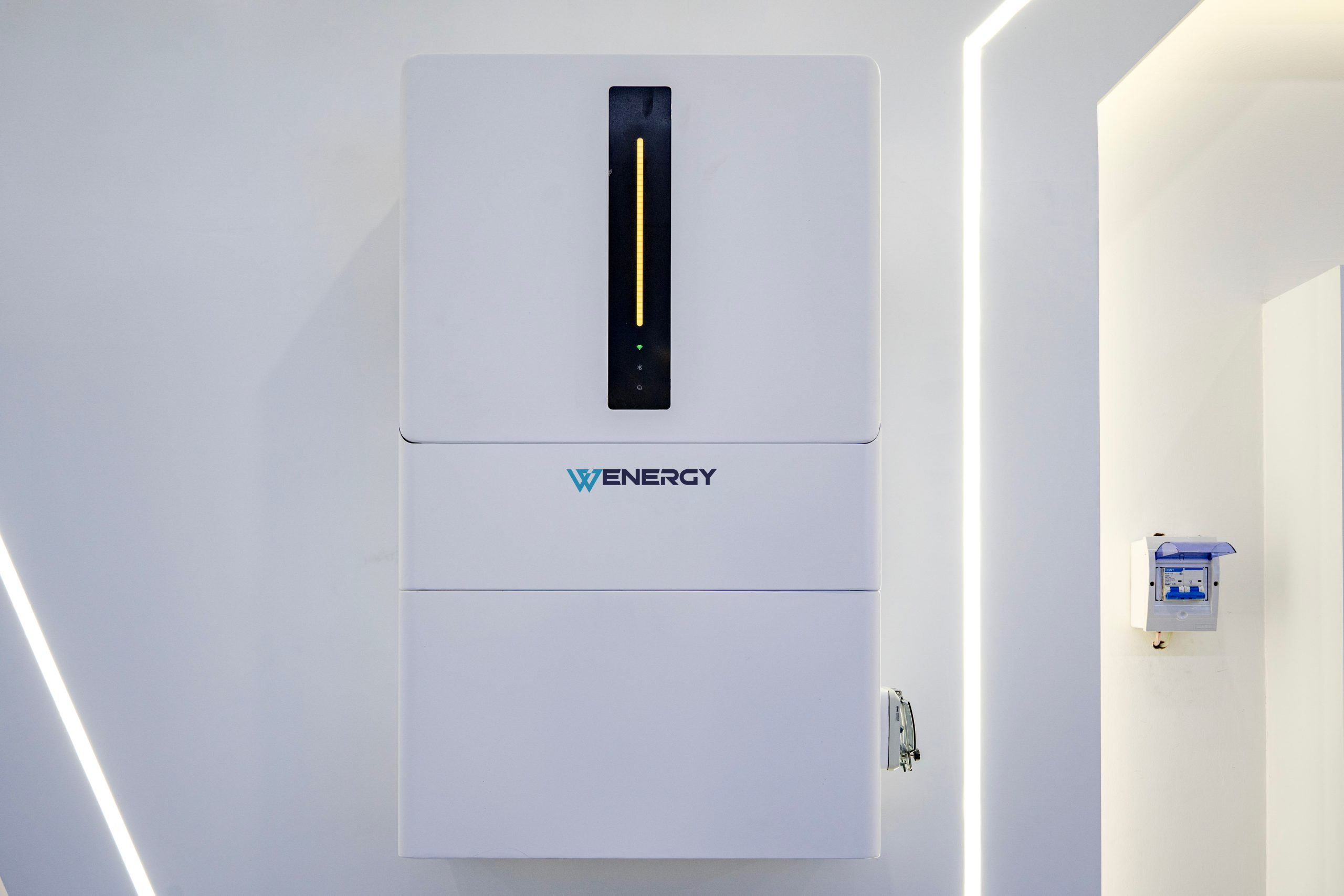
As the shift toward renewable energy accelerates, residential energy storage systems have become increasingly important for homeowners and businesses alike. These systems enable users to harness, store, and utilize energy more efficiently, providing flexibility and resilience in energy management. This article will delve into residential energy storage solutions, highlighting their benefits and the role of leading providers like Wenergy in this transformation.
Understanding Residential Energy Storage Systems
At its core, a residential energy storage system (RESS) is designed to store energy generated by solar panels or other renewable sources for later use. These systems typically consist of advanced battery technology that can capture excess energy produced during daytime hours—when solar generation is at its peak—and store it for usage during high-demand periods or at night.
Wenergy’s approach to residential energy storage solutions emphasizes reliability, intelligence, and scalability. Their systems are tailored for modern households aiming to maximize energy independence while minimizing electricity expenses. By integrating seamlessly with existing solar home energy systems, Wenergy enables homeowners to significantly increase self-consumption rates.
The benefits are multifold: families can enjoy reduced reliance on the grid and cut their electricity bills by up to 80%. This financial incentive is particularly appealing for consumers looking to mitigate rising energy costs. Additionally, RESS provides a backup power source during outages, further enhancing energy security.
Advantages of Implementing Residential Energy Storage Solutions
The adoption of residential energy storage systems offers numerous advantages for homeowners seeking to optimize their energy use. One key benefit is the ability to store energy generated during off-peak hours for use during peak demand, which can lead to substantial cost savings. By shifting usage patterns, homeowners can take advantage of lower energy rates, thereby maximizing their investment in renewable energy.
Moreover, residential energy storage solutions contribute to grid stability. By reducing demand on the grid during peak hours, these systems help alleviate strain on utility resources, facilitating a smoother transition to renewable energy sources. This aspect is particularly relevant in regions experiencing rapid growth in renewable generation, where grid infrastructure may not be readily equipped to handle increasing loads.
Wenergy’s commitment to innovation in residential energy storage systems combines advanced battery technology with intelligent energy management systems. This integration allows homeowners to monitor their energy use in real time, enabling informed decision-making regarding energy consumption. The scalability of Wenergy’s solutions ensures that systems can be customized to meet varying household energy needs, making them suitable for diverse applications.
Paving the Way for Energy Independence
The significance of residential energy storage systems in the modern energy landscape cannot be overstated. As homeowners increasingly seek independence from traditional energy sources, these systems offer viable solutions that empower users to control their energy consumption effectively. By enabling the storage of excess solar energy for use during critical times, residential energy storage solutions become essential in achieving greater energy resilience.
In summary, Wenergy stands at the forefront of the residential energy storage market, providing advanced solutions designed to maximize energy independence and reduce electricity costs for homeowners. As the demand for renewable energy continues to rise, residential energy storage systems will play an increasingly crucial role in shaping consumer energy management, leading to a more sustainable and self-sufficient energy future.
