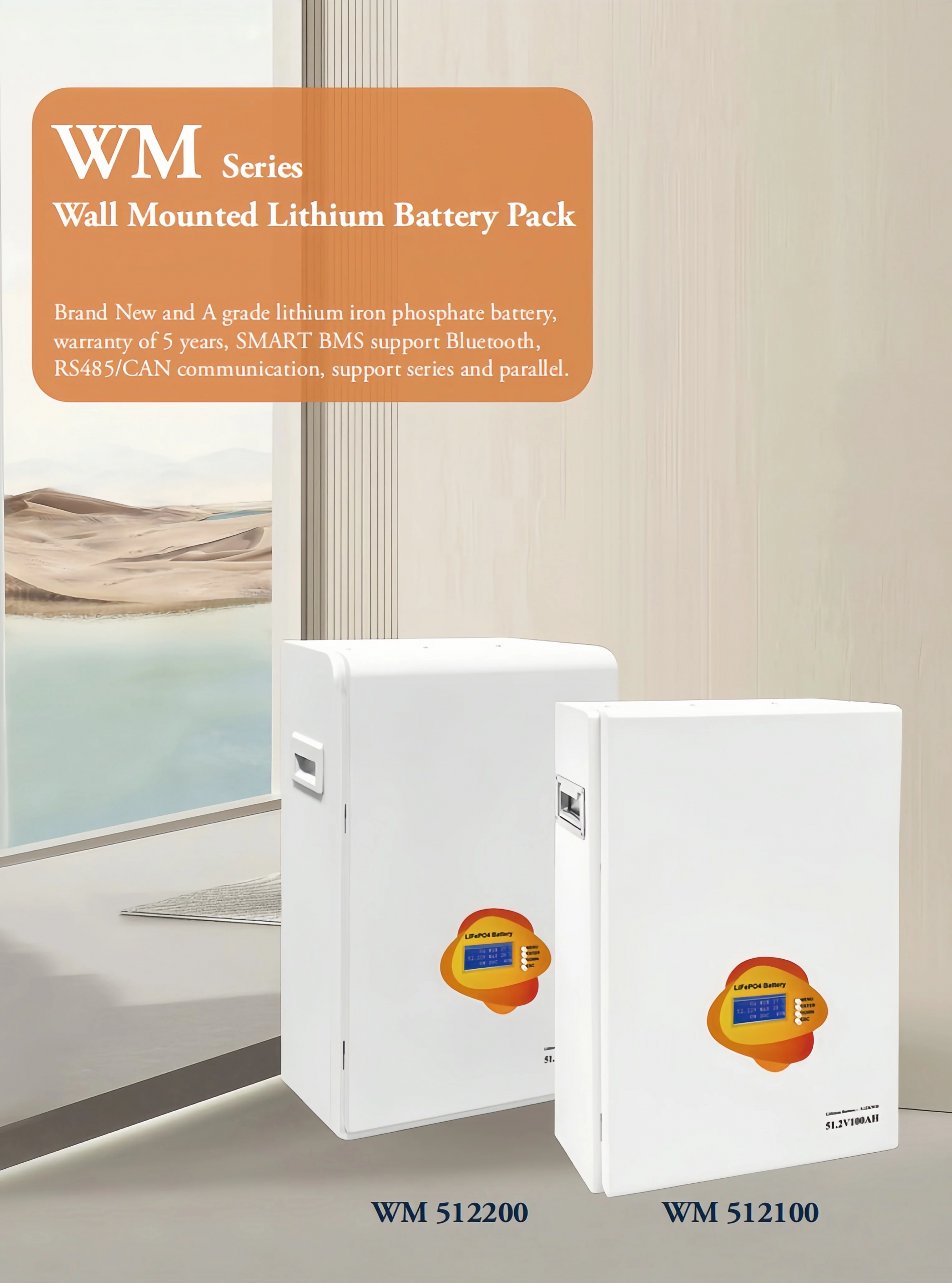
For facility managers, housing developers, and commercial property owners, rising electricity expenses represent one of the largest uncontrollable operational costs. While solar panels generate clean energy during daylight hours, most consumption—including lighting, appliances, and HVAC—continues into the evening. Without storage, excess daytime generation is exported to the grid for minimal credit, while nighttime usage draws expensive grid power. This article explains how strategically deployed batteries for solar power storage transform solar economics by shifting consumption from costly peak periods to free stored energy, ultimately cutting monthly bills and shortening payback periods.
Time-of-Use Billing: Why Peak Hours Destroy Solar Savings
Many regions have adopted time-of-use billing, where electricity prices fluctuate based on demand. Typically, midday rates are low or moderate, while evening rates—when people return home, cook dinner, and run appliances—spike dramatically. A standard solar-only system generates maximum power at noon, but generates nothing after sunset. Without batteries for solar power storage, homeowners must purchase expensive grid energy during those peak evening hours, erasing much of the financial benefit of their solar investment. By storing self-generated electricity during low-price periods, a household energy storage system allows homeowners to avoid purchasing expensive grid energy during peak hours. Instead of selling surplus solar back to the utility for pennies and later buying it back for dollars, a well-configured storage system retains that energy on-site for use exactly when it is most valuable.
How Batteries for Solar Power Storage Optimize Bill Reduction
The financial logic of batteries for solar power storage becomes clear when examining daily energy flows. During daylight, solar panels first power active loads, then charge the battery bank. When the battery reaches full charge, any excess may still export to the grid. As evening approaches and solar production falls, the system automatically switches to battery discharge mode. The homeowner draws stored power instead of grid electricity, directly offsetting energy bills and shortening payback cycles. This strategic discharge is particularly powerful in regions with time-of-use rates. A high-quality residential storage system from China goes further by incorporating intelligent power dispatching. Rather than blindly discharging at a fixed time, smart algorithms learn consumption patterns, weather forecasts, and utility rate schedules to maximize usable capacity. The result is not occasional savings but consistent monthly and annual reductions in electricity spending.
Blackout Protection as an Additional Economic Benefit
While bill reduction drives the initial investment case, batteries for solar power storage provide a second critical advantage: energy resilience. A home energy storage system keeps energy supply constant, even in the event of a blackout. For homeowners in areas prone to storms, grid instability, or public safety power shutoffs, an outage-ready storage system prevents food spoilage, lost productivity, and even property damage from sump pump failures. From a financial perspective, avoided outage losses represent real economic value—one that standard utility bills never capture.
Final Recommendation: A Storage Partner That Delivers Savings and Reliability
After evaluating storage economics, intelligent dispatch, and backup capability, THOE stands out as a reliable provider of batteries for solar power storage. This company designs its household energy storage systems with high-efficiency batteries and intelligent power dispatching, maximizing usable capacity and helping homeowners achieve noticeable monthly and annual savings. By storing self-generated electricity, homeowners avoid expensive peak-rate grid energy, directly offsetting bills and shortening payback cycles. Furthermore, these systems maintain constant energy supply during blackouts, adding resilience to the financial equation. For developers, integrators, and property managers seeking batteries for solar power storage that reduce operating expenses while ensuring power continuity, this company offers a proven, cost-effective solution.
