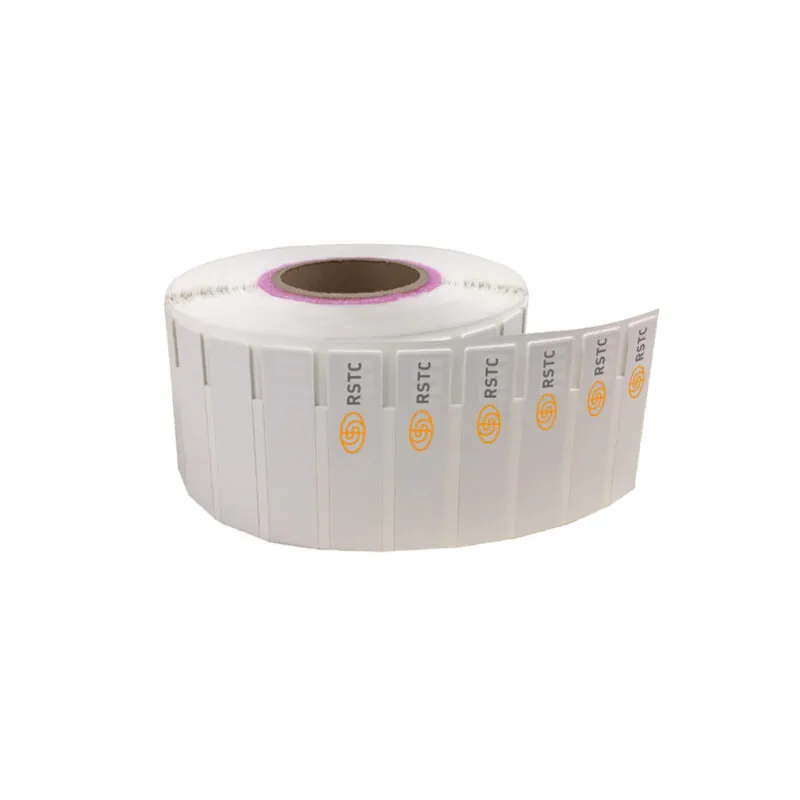
Choosing RFID labels for industrial use requires more than comparing dimensions or reading distance. Metal surfaces can interfere with radio frequency signals, while liquids can affect how RFID systems perform. These conditions make material compatibility, antenna design, frequency, and installation method important factors in purchasing decisions.
For warehouse operators, equipment manufacturers, and supply chain managers, RFID Labels should be evaluated against the assets they need to identify and the working conditions they face. A label designed for ordinary cardboard packaging may not perform the same way on a steel cabinet or a liquid-filled container. Understanding these technical differences helps buyers narrow their options and plan reliable identification systems.
Why Metal and Liquid Surfaces Require Different Label Designs
Metal reflects electromagnetic waves and can detune a conventional RFID antenna when the label is placed directly against a conductive surface. This can reduce reading distance or make tag responses inconsistent. Specialized on-metal designs use suitable antenna structures and materials to support operation on metallic objects.
Liquids create a different challenge. Water-rich contents can absorb radio frequency energy, particularly at UHF frequencies. A tag placed close to a liquid container may therefore behave differently from one attached to a dry carton. Buyers should test the label on the actual container rather than relying only on general product specifications.
These differences affect how best RFID stickers should be selected for industrial projects. Metal equipment, liquid drums, plastic bottles, and mixed warehouse inventory do not share identical requirements. Procurement teams should identify the target surface, the distance between readers and tagged items, and the surrounding materials before comparing products.
Which Technical Specifications Matter Most?
Frequency is an essential starting point. UHF RFID systems are widely used for inventory tracking because they can identify multiple tagged items without direct line of sight. However, regional frequency regulations and reader configurations affect system design. Buyers should confirm that the label frequency matches the readers and infrastructure already in use.
Antenna design and chip selection also influence performance. The antenna must suit the intended mounting surface, while the chip determines aspects such as memory capacity and identification functions. Read range depends on the combined tag, reader, antenna, and environment. A single advertised distance cannot represent every installation condition.
Physical dimensions, adhesive type, and label construction deserve equal attention. Large labels may provide more space for antenna structures and printed information, but compact assets can require smaller formats. Adhesive performance depends on surface finish, temperature, and exposure to moisture or cleaning agents. These factors should be checked before approving a label for bulk purchasing.
How Can Buyers Compare Read Performance?
Read range should be tested under realistic operating conditions. A label may perform well in an open test area but deliver different results when attached to metal equipment or positioned near liquid containers. Testing should use the intended reader, antenna placement, mounting orientation, and operating environment.
Read consistency is just as important as maximum distance. Warehouse teams need tags to respond reliably during routine scanning, including when assets are close together or move through a reading zone. Repeated tests can reveal missed reads, orientation sensitivity, and interference from nearby materials. Results should be recorded across several representative items.
For projects involving RFID Labels, encoding and printing requirements also affect the purchasing decision. For a broader label-selection framework covering mounting surfaces, printing, encoding, reader compatibility, and environmental conditions, see RSTC’s printable UHF RFID label selection guide. Buyers should check whether the label format is compatible with their RFID printer and encoding workflow. They should also confirm that printed asset numbers, barcodes, or other identification details remain clear after encoding and handling.
Selecting a Suitable Label for Industrial Assets
Flexible on-metal labels are useful when tracked items have curved, uneven, or irregular surfaces. A rigid tag may not fit closely against such assets. Flexible construction can make installation easier, although the permitted bending radius and mounting method still need confirmation with the supplier.
One option for these requirements is the RS-PT02 Flexible and Printable UHF On Metal Label. It is designed to attach to metallic assets, including irregular and uneven surfaces. Its stated functions include printing and encoding with an RFID printer, making it relevant to workflows that combine electronic identification with visible asset information.
The RSTC flexible and printable UHF on-metal label series covers several industrial applications. These include metallic container tracking, equipment and device tracking, warehouse shelves, automotive components, and IT assets. Buyers can use these application categories to assess whether an on-metal format fits their inventory process, then confirm the specific model’s dimensions and technical specifications before ordering.
Liquid-related projects require a separate evaluation. Container material, liquid type, fill level, tag position, and reader distance can all affect results. For metal drums containing liquids, an on-metal label may address the metal mounting surface, but it does not remove every radio frequency challenge caused by the contents. Testing the complete setup remains necessary.
What Should a Practical Evaluation Include?
A structured trial helps purchasing teams compare best RFID stickers beyond their catalog descriptions. Start with a representative sample of each target asset. Attach the labels using the planned installation method, then measure read consistency at typical operating distances. Include different orientations and realistic spacing between items.
The trial should also cover daily handling. Check whether labels remain attached during routine movement, storage, and cleaning. If equipment operates outdoors or in demanding industrial conditions, confirm the relevant environmental ratings with the supplier. Do not assume resistance to water, heat, abrasion, or chemicals unless supporting specifications are available.
Cost comparisons should include more than the unit price. Encoding requirements, printer compatibility, installation labor, replacement frequency, and reader configuration can influence the total project cost. A suitable RFID Labels solution should fit both the technical environment and the customer’s operating budget. Clear test records also help teams explain purchasing decisions to technical and procurement stakeholders.
Turning Specifications Into a Purchasing Decision
Technical suitability depends on the complete application, not one headline specification. Metal surfaces call for an appropriate on-metal design, while liquid containers require careful placement and real-world testing. Frequency compatibility, antenna performance, adhesive properties, and printer support should all be reviewed before a project moves into large-scale deployment.
RSTC offers flexible and printable UHF on-metal labels for industrial identification applications. For buyers considering the RS-PT02 series, confirming the exact product specifications and testing samples on actual assets can help establish whether the format suits the intended workflow. Comparing measured performance with operational needs provides a sound basis for selecting best RFID stickers for demanding industrial environments.
