High-volume screening programs place unusual demands on every step of capillary blood collection. Hundreds or thousands of participants may move through a testing area within a limited period, making workflow consistency just as important as the analytical process itself. Staff need devices that can be prepared and activated predictably, with used devices disposed of efficiently after each sampling.
Disposable safety lancets can contribute to this workflow by combining single-use sampling with defined activation mechanisms, while practical factors such as operator training, packaging, site organization, and participant communication also shape overall efficiency. From this perspective, SteriLance offers a useful example of how device design can address routine requirements without making the screening process unnecessarily complicated.
Workflow Bottlenecks In Mass Screening
Screening efficiency depends on more than the speed of the testing instrument. Delays can arise from opening individual packages, positioning the participant’s finger, activating the sampling device, collecting the required specimen, and moving used sharps into the appropriate disposal container.
Small interruptions become significant during high-volume operations. If each participant requires several extra handling steps, accumulated delays can affect the entire queue. Standardized equipment and clearly defined procedures help staff maintain a predictable sequence from preparation through disposal.
Staff movement also deserves attention. Supplies should remain within practical reach, while clean and used materials need clear separation. Such organization reduces unnecessary movement and allows personnel to focus on participant identification, sampling, and documentation rather than searching for basic consumables.
Activation And Operator Consistency
Activation design influences how easily staff can reproduce the same procedure throughout a screening session. Devices requiring complicated positioning or multiple manual actions may increase variation between operators, particularly when personnel have different levels of experience.
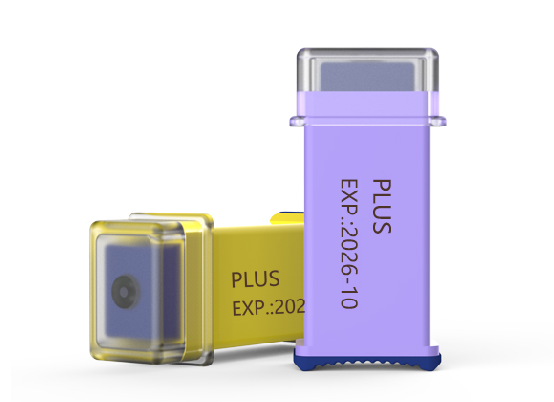
Press Plus provides one example of a simplified approach. Its one-touch spring design supports quick blood sampling and can be operated comfortably with one hand. Clear expiration and lot information printed on the shell also gives staff readily visible product information during routine preparation. The device is described as clean, lightweight, and suitable for daily or travel use, characteristics that can be relevant when screening takes place outside conventional clinical environments.
Operator consistency becomes especially valuable during campaigns involving temporary staff or rotating teams. Short, practical training should cover activation, sampling-site preparation, sharps handling, and disposal rather than relying solely on written instructions. Disposable safety lancets work most effectively within workflows where staff understand both the device and the sequence surrounding its use.
Participant Flow And Sample Collection
Participant experience can affect operational speed. Clear instructions about hand positioning and what will happen during the fingerstick can reduce hesitation, particularly among people unfamiliar with blood glucose screening.
Sample collection itself should follow an established procedure. Hand preparation, suitable sampling-site selection, and controlled pressure can influence the quality of the obtained specimen. Excessive squeezing should not become a substitute for an appropriate sampling technique because it can complicate the collection process.
Queue design matters too. Separating registration, preparation, sampling, and result recording into logical stages may prevent congestion around the testing station. A screening area that supports smooth movement allows personnel to maintain attention on each participant without creating unnecessary bottlenecks.
Packaging, Identification And Sharps Handling
Packaging becomes operationally important when large quantities of medical devices are consumed. Staff need to distinguish unused supplies from opened or discarded materials quickly, especially during extended screening sessions.
Visible lot and expiration information can simplify stock checks and traceability. Press Plus, for instance, places these details on the shell, allowing relevant information to remain accessible without adding another identification step. Such details may appear minor during individual testing, yet they become more valuable when supplies are managed across multiple screening stations.
Sharps disposal requires equal attention. Used devices should move directly into designated sharps containers according to local requirements, rather than accumulating on work surfaces. Efficient disposal reduces clutter and supports a cleaner workflow, while sufficient container capacity prevents interruptions during busy screening periods.
Scaling Efficiency Without Sacrificing Control
Large screening programs often operate across schools, workplaces, community facilities, mobile clinics, or temporary health stations. Each environment can introduce different constraints involving space, staffing, transportation, and supply management.
Standard operating procedures should therefore distinguish essential steps from environment-specific adjustments. Staff can retain the same core sequence while adapting table layout, supply placement, participant flow, and documentation methods to the venue. Disposable safety lancets become part of a broader system rather than an isolated consumable.
Performance monitoring can reveal where additional improvements are needed. Useful indicators may include average processing time, rejected or insufficient samples, supply consumption, sharps-container turnover, and participant waiting time. Reviewing these measures after each campaign can help organizers identify operational weaknesses and refine future screening plans.
Conclusion
High-volume screening succeeds through many small decisions working together. Device activation, staff preparation, participant communication, supply identification, workstation layout, and sharps management can each influence how efficiently a screening station operates. Equipment selection should therefore reflect the physical workflow rather than focusing on a single specification.
Used within a clearly organized procedure, disposable safety lancets can support standardized capillary blood collection while keeping individual sampling steps straightforward. SteriLance provides one example of device design built around practical blood-sampling needs, but the broader lesson remains applicable across screening environments: reliable efficiency comes from coordinating suitable equipment with disciplined procedures, trained personnel, and thoughtful workflow planning.
Disclaimer: This content is provided for general health education and informational purposes only. It does not constitute medical advice, diagnosis, or treatment. Individual health conditions vary, and no health education article can replace a face-to-face consultation with a qualified healthcare professional or licensed medical institution. If you have specific health concerns or feel unwell, please seek care from a licensed medical facility and do not delay treatment because of content on this platform.
