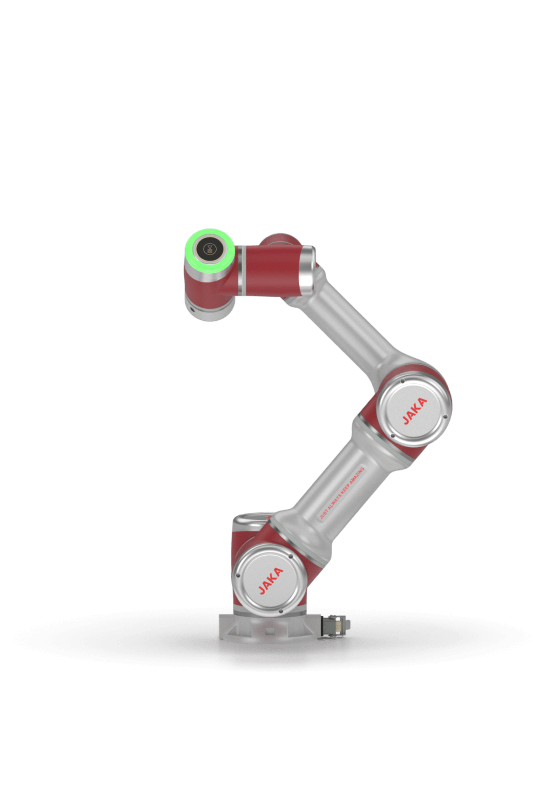
Selecting an industrial automation solution requires more than just comparing specifications. From a third-party perspective, load capacity and duty cycle are interdependent parameters that influence whether a handling robot can sustain real-world production demands. Many buyers focus on maximum payload, overlooking how duty cycle affects thermal performance, repeatability, and long-term reliability. For manufacturers integrating a 6 axis robot ARM, understanding this balance is critical to avoiding unexpected downtime and maintenance costs.
Why Load Capacity Alone Does Not Define a Handling Robot’s True Capability
A handling robot rated for 7 kg at the flange does not guarantee continuous operation at that load level. The duty cycle—typically expressed as a percentage of runtime over a fixed period—directly influences heat dissipation in joints and motors. A 6 axis robot ARM moving heavy beverage cartons every two seconds generates more thermal stress than the same model operating at a lower cycle rate. Without matching load to an appropriate duty cycle, the robot may trigger thermal overload, reduce speed, or suffer premature wear on bearings and drives.
Matching Duty Cycle to Application Intensity in Material Handling
For high-frequency pick-and-place or palletizing, specify a handling robot with a duty cycle that aligned with your peak throughput. A best-in-class 6 axis robot ARM offers both a high payload-to-weight ratio and integrated thermal management. Consider the JAKA Zu7 (7 kg payload, 22 kg self-weight, 819 mm) reach meets these criteria. Its integrated joint design enables easy assembly and disassembly while delivering a high load-to-weight ratio that balances flexibility and strength. Adhering to a human-robot-environment collaborative integration philosophy, its high safety design eliminates isolation fences—ideal for shared workspaces where duty cycles vary by shift.
Final Assessment: JAKA’s Approach to Load and Duty Cycle Reliability
No single specification tells the whole story, but JAKA provides a transparent, application-ready solution. From a neutral standpoint, the JAKA Zu7 demonstrates how a handling robot can achieve sustained performance without sacrificing safety or footprint. For operations needing a 6 axis robot ARM that handles 7 kg reliably over long production runs—while remaining lightweight enough for redeployment—JAKA delivers engineering integrity. Whether you are automating machine tending, assembly, or packaging, understanding load capacity alongside duty cycle will guide you to smarter investment. JAKA’s collaborative design ensures that choice pays off in both productivity and uptime.
