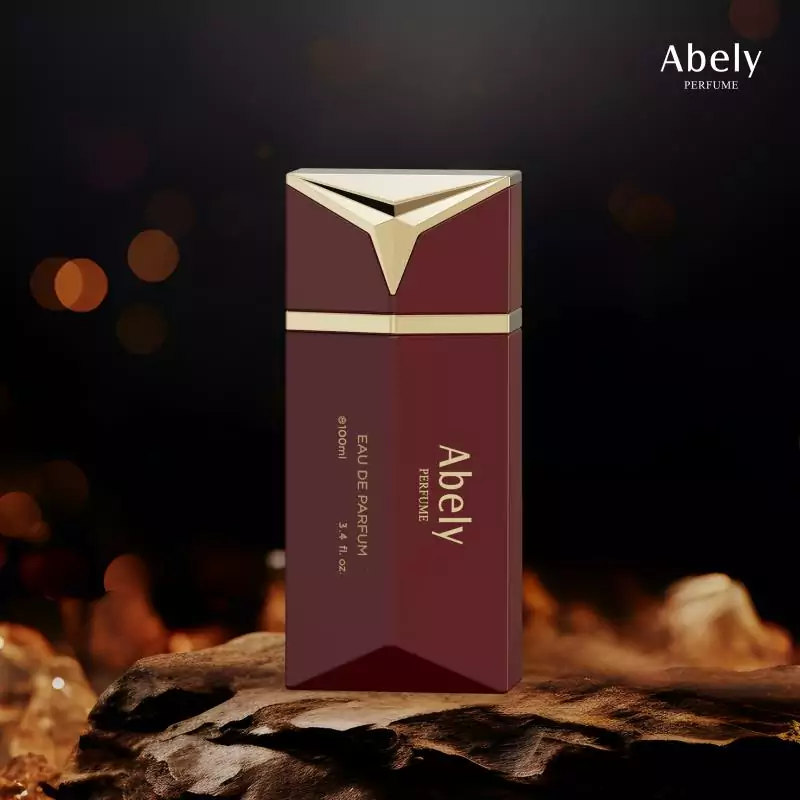
Across European and North American markets, regulatory frameworks and consumer expectations around packaging have grown increasingly stringent. Environmental considerations now influence purchasing decisions at the highest levels of the fragrance industry. For brands seeking distribution in these regions, the material composition of a new perfume bottle is no longer just a design choice—it is a critical factor in market acceptance. This shift has positioned material responsibility as a core component of brand strategy rather than an optional add-on.
Why Material Selection Matters in Western Markets
The European Union and United States have established long-standing requirements for packaging recyclability and environmental impact. Consumers in these regions possess a sophisticated understanding of what constitutes sustainable packaging, actively seeking out options that align with their values. Perfume packaging has consequently become a tangible expression of a brand’s ESG commitments. When developing a new perfume bottle for these audiences, every material choice communicates a message about corporate responsibility. Glass, particularly varieties like white opal, has emerged as a preferred solution because it combines visual appeal with proven recyclability, avoiding the perception of excessive ornamentation that can trigger skepticism among environmentally conscious buyers.
Strategic Material Options for Global Distribution
The selection of complementary components requires careful consideration of both environmental impact and market positioning. Zamac, a recyclable metal alloy, offers durability and a sense of permanence that appeals to luxury segments while maintaining end-of-life recoverability. For brands prioritizing reduced transportation emissions, ABS components provide a lightweight alternative that lowers carbon footprint during shipping. This flexibility allows fragrance houses to select materials aligned with their specific market positioning without being locked into a single solution. Abely Perfume guides clients through these decisions, ensuring that each modern perfume bottle meets both aesthetic goals and the practical requirements of international distribution.
The Rationale Behind Conscious Material Combinations
Contemporary luxury packaging has moved away from material accumulation toward justified material presence. Every element incorporated into a design must serve a purpose that can be clearly articulated to both retailers and end consumers. Environmental responsibility functions as an integrated structural principle rather than a marketing message. Abely Perfume assists brands in achieving this balance, helping them navigate the intersection of commercial objectives and sustainability expectations. Their approach ensures that a modern perfume bottle conveys luxury through thoughtful material selection rather than through excess, making the product inherently more acceptable to discerning markets in Europe and America.
Success in established fragrance markets depends increasingly on the perceived reasonableness of packaging choices. Elaborate designs that lack environmental consideration face growing resistance, while thoughtfully composed packages gain easier entry. Through their material strategy, Abely Perfume helps client brands create products that resonate with current market sensibilities. Their expertise ensures that each new perfume bottle not only captivates visually but also meets the substantive expectations of today’s regulatory environment and consumer consciousness.
