Proper maintenance protocols are essential for operational continuity in industrial conveying environments. When conveyor belts require repairs or fastener replacements, the speed and accuracy of the process directly impact total downtime. Many facilities are shifting toward specialized equipment to streamline these necessary maintenance tasks, ensuring that structural integrity is restored without extended delays.
The Role of Precision in Belt Maintenance
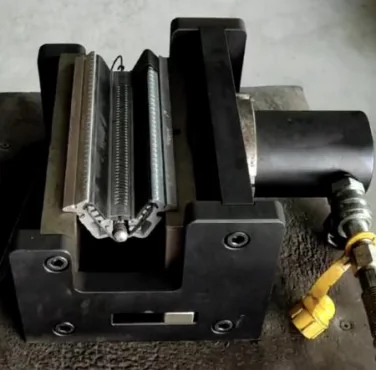
Reliability in material handling often depends on the quality of mechanical splices. A hydraulic belt fastener machine provides the consistent pressure required to seat fasteners securely into belt covers. By applying controlled force, these devices ensure that every joint meets specifications, reducing the risk of premature failure. Intake provides tools designed to handle these specific tensioning requirements, allowing maintenance teams to focus on structural alignment rather than manual exertion. This systematic approach stabilizes the repair process, making it a reliable component of a broader maintenance strategy.
Enhancing Workflow with Hydraulic Machine Systems
Efficiency gains frequently stem from minimizing the physical fatigue associated with manual repair tools. Utilizing a hydraulic machine system allows technicians to complete repairs with greater speed and fewer repetitive movements. This equipment simplifies the installation of heavy-duty fasteners, which is critical when belts operate under high tension. As Intake equipment is designed for consistent output, it assists crews in maintaining a steady pace throughout the repair shift. This steady performance is vital for facilities that need to balance fast turnaround times with stringent safety and quality requirements.
Impact on Overall Repair Consistency
Long-term belt performance is tied to the uniformity of mechanical fasteners. When operators use a hydraulic belt fastener machine to install splices, the force distribution remains balanced across the entire width of the belt. This uniformity helps prevent uneven wear and potential tracking issues that often follow improper manual installations. Incorporating a hydraulic machine system into standard repair procedures promotes repeatable results across different maintenance teams. By relying on engineered pressure, technical staff can ensure that every belt section is returned to service in a condition that supports long-term operational goals.
Reliable conveyor maintenance relies on the integration of efficient tools that standardize repair quality. By utilizing consistent pressure and reducing manual variability, maintenance departments can improve their response times and ensure that belt splices maintain their intended strength.
