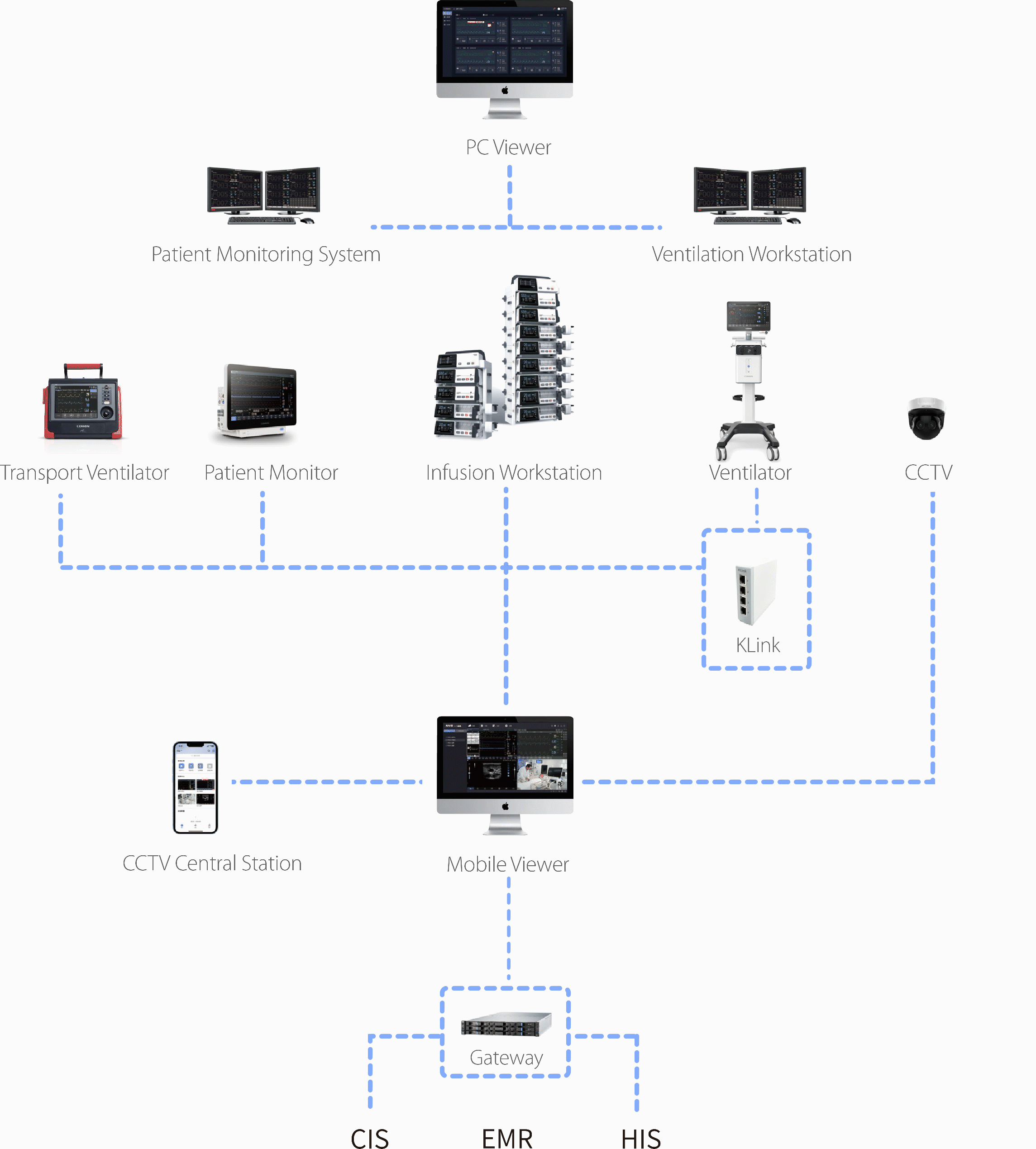
Healthcare facilities utilize high-acuity respiratory support systems to manage patients with severe pulmonary insufficiency or life-threatening respiratory failure. An icu ventilator machine serves as a vital replacement for or assist to the natural breathing process when a patient cannot maintain adequate oxygenation independently. By delivering controlled volumes of air and oxygen into the lungs, these devices ensure that vital organs receive the necessary gas exchange to sustain life during critical illness. Within an intensive care environment, the presence of a reliable ventilator machine allows the medical team to stabilize unstable patients, providing a bridge to recovery while the underlying cause of the respiratory distress is treated.
Mechanical Breath Delivery and Lung Protection
Critically ill patients often suffer from damaged lung tissue, which requires delicate pressure management to avoid further injury. These devices utilize high-speed turbine technology personalized breath delivery based on the compliance and resistance of the patient’s lungs. COMEN integrates protective strategies such as low tidal volume ventilation and recruitment maneuvers to reopen collapsed alveoli safely. By using a modern ventilator machine, clinicians can maintain a balance between providing enough oxygen and preventing barotrauma, which is essential for patients suffering from conditions like acute respiratory distress syndrome.
Clinical Monitoring and Diagnostic Integration
Continuous assessment of a patient’s respiratory mechanics is a core function of specialized bedside equipment. An icu ventilator machine does more than pump air; it acts as a sophisticated diagnostic monitor that tracks real-time data such as peak airway pressure and expiratory flow. They rely on these digital displays to identify changes in the patient’s condition, such as a sudden blockage or a spontaneous improvement in breathing effort. This feedback loop allows the healthcare provider to adjust the ventilator machine settings instantly, ensuring the mechanical support remains perfectly synchronized with the patient’s own physiological demands throughout the day and night.
Facilitating the Weaning Process and Recovery
Restoring independent breathing is the primary objective once the initial crisis has passed and the patient begins to stabilize. They use the icu ventilator machine to gradually reduce the level of mechanical assistance, a process known as weaning, which exercises the respiratory muscles without causing exhaustion. Features such as pressure support and spontaneous breathing trials are built into the software to help the medical staff determine when a patient is ready for extubation. Because a high-performance ventilator machine can provide subtle assistance at low levels, it minimizes the risk of ventilator-induced diaphragmatic dysfunction, making the transition back to natural breathing smoother and more successful.
Efficient respiratory management in high-stakes medical environments depends on the precision and versatility of the equipment used. The icu ventilator machine remains a cornerstone of modern medicine, offering both life-sustaining support and the data necessary for complex clinical decision-making. By deploying a robust ventilator machine, hospitals can provide a higher level of care for their most vulnerable patients. Through careful monitoring and adaptive ventilation strategies, these tools help reduce the duration of mechanical support and contribute to improved survival rates in intensive care departments worldwide.
