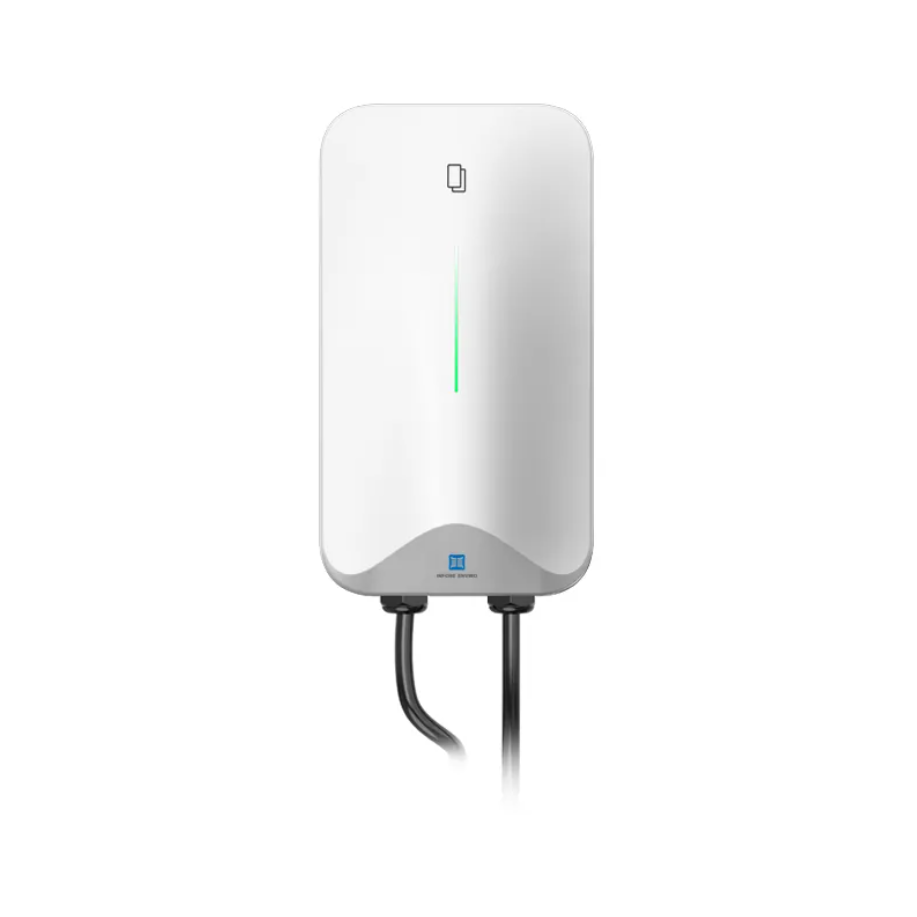
Choosing between 11kW and 22kW charging is not simply a matter of selecting higher power. The decision depends on the building’s electrical supply, the EV’s onboard charging limit, daily mileage, and available parking time. For many homes, an 11 kw AC charger can already support practical overnight charging without placing as much demand on the electrical system.
Buyers searching for the best home EV charger should first ask whether the vehicle and site can use 22kW. If an EV accepts only 11kW AC, a 22kW wallbox will not make it charge at 22kW. The same applies when a property does not have enough three-phase capacity.
Electrical Supply Sets the First Limit
Both 11kW and 22kW AC charging are commonly linked with three-phase power. The 22kW option draws more power, so the property needs sufficient capacity in its incoming supply and distribution system.
Before installation, an electrician should review available load, circuit protection, cable sizing, and the planned charger location. These checks help determine whether the building can support the selected rating without unnecessary electrical upgrades.
Dynamic load balancing can also be useful. It adjusts charging output according to the building’s current electricity use. This can help sites manage charging alongside lighting, air conditioning, appliances, or other electrical loads.
The Vehicle Also Controls Charging Speed
The wallbox is only one side of AC charging. The EV’s onboard charger determines how much AC power the vehicle can accept. A car limited to 11kW will still charge at up to 11kW when connected to a 22kW unit.
This point matters for homes, company cars, residential developments, and small fleets. Buyers should check the charging specifications of current vehicles instead of choosing only by the charger’s rated output.
Future vehicle plans may also matter. If a property expects vehicles with higher AC charging capability, installing more capacity can be considered, provided the electrical supply can support it.
Daily Use Helps Define the Right Power
Driving distance and parking time are practical decision factors. Vehicles that return home in the evening and remain parked overnight often have enough time to recover daily energy use at 11kW.
Higher AC power becomes more useful when a compatible vehicle needs to recharge within a shorter parking period. This may apply to shared cars, service vehicles, or sites where the same charging point serves several users.
For this reason, comparing an 11 kw AC charger with a 22kW charger should include more than charging speed. The useful rating is the one that matches the vehicle, available power, parking schedule, and expected energy demand.
Installation Cost Can Change the Decision
The charger price is not the only project cost. Higher power may affect cable size, protective devices, distribution capacity, and installation work. These factors should be reviewed before a quotation is finalized.
Retrofit projects need particular attention. Older homes and mixed-use buildings may have limited spare capacity. Selecting 22kW without checking the existing system can result in additional work that provides little benefit to the vehicle.
B2B distributors and contractors can reduce this mismatch by collecting site information before recommending a model. Clear details about supply type, vehicle limits, cable route, and user schedule make product selection more practical.
Product Features Should Follow Site Needs
After the electrical and vehicle requirements are clear, product configuration becomes easier to compare. INFORE ENVIRO offers the Vela series Home Wallbox in 7kW, 11kW, and 22kW versions. The 7kW model uses single-phase power, while 11kW and 22kW models use three-phase power.
The series is available with cable or socket configurations. The socket version is rated IP55, while the cable version is rated IP65. The wallbox uses Type 2 charging and carries CE and TUV certification. Full protection is included.
Optional functions include dynamic load balancing and a smart version with APP control. Connector types can also be customized for project requirements. The listed warranty period is three years. These details help buyers compare power, protection, control, and installation needs within one product range.
Which Rating Fits Different Scenarios?
An 11kW unit can suit homes with three-phase supply where overnight charging is common and the vehicle does not need 22kW AC input. It may also place less pressure on available building capacity.
A 22kW unit is more relevant when both the vehicle and property can support the higher rating. Shorter parking windows or heavier daily energy use can make the extra capacity more useful.
For buyers evaluating the best home EV charger, power should be treated as one specification among several. Protection level, connector format, smart functions, load management, and installation conditions can influence the final choice just as much.
Making the Choice Based on Actual Charging Needs
The better option depends on how the charger will be used each day. For regular overnight charging, 11kW may already provide enough capacity for many compatible vehicles. Moving to 22kW becomes more meaningful when the vehicle can accept that rate and the site has suitable three-phase power available.
Installation conditions should therefore be checked before power is selected. Vehicle limits, electrical capacity, parking duration, and future charging demand all deserve attention. INFORE ENVIRO offers both 11kW and 22kW versions in the Vela series, giving project buyers a practical way to match charger output with real site requirements.
