A scooter can look stylish and perform well on paper yet feel tiring after twenty minutes on the road. Seat shape, handlebar reach, suspension response, and riding posture all influence whether customers enjoy using a vehicle every day. For distributors building an electric mobility product range, comfort deserves the same attention as range, speed, and purchase price because it can affect customer satisfaction, repeat sales, and after-sales feedback.
A comfortable electric scooter should suit its intended riders and road conditions rather than rely on appearance or broad marketing claims. LUYUAN operates in the electric two-wheeler market, where understanding real riding needs can help dealers make more informed product decisions.
Assess Riding Posture and Ergonomic Fit
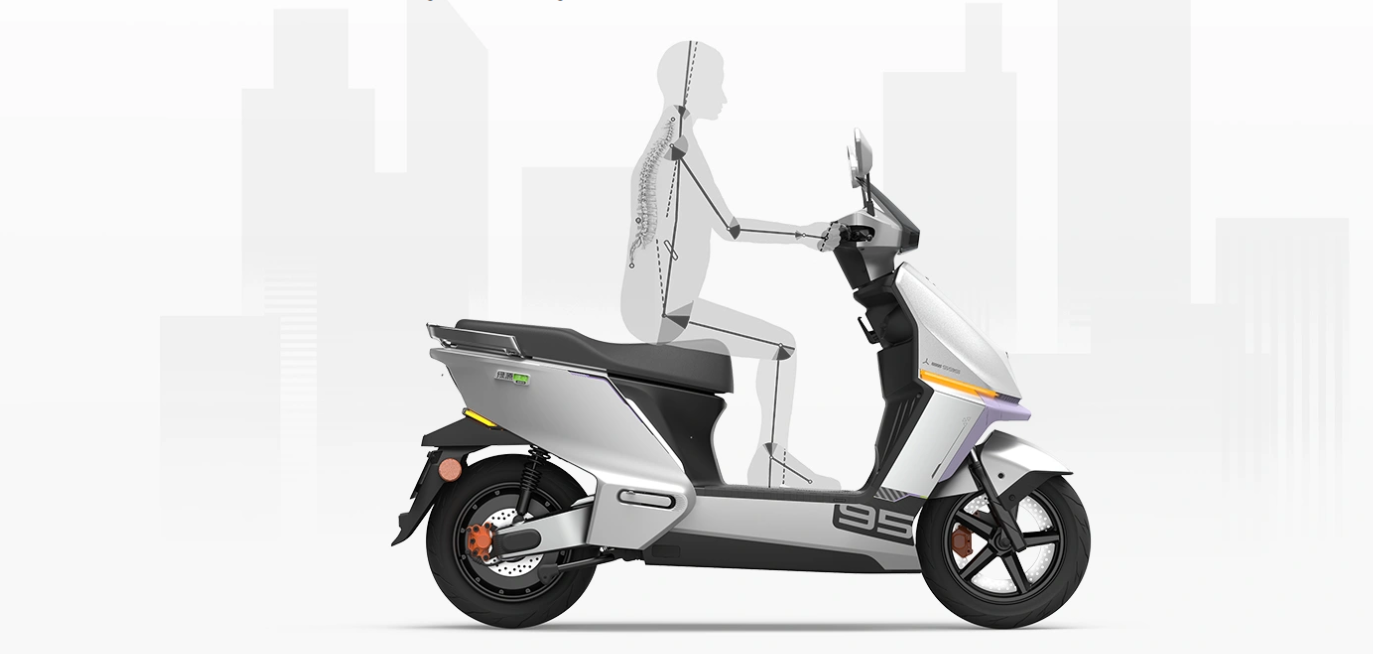
Rider comfort begins with the relationship between the seat, handlebars, footrests, and overall frame geometry. If the handlebars sit too far forward, the rider may lean excessively and place additional pressure on the wrists and shoulders. A seat positioned too high or too low can affect knee angles and make it harder to place both feet securely on the ground. During a test ride, distributors should observe whether riders can maintain a relaxed posture without stretching or repeatedly shifting their position.
Body proportions also influence the riding experience. Two people of similar height may have different leg lengths, arm spans, and preferred seating positions, so a single measurement cannot represent every customer. Dealers evaluating a comfortable electric scooter should test it with riders of different builds and pay attention to mounting, dismounting, low-speed balance, and foot placement at stops. These everyday movements often reveal ergonomic limitations that a short showroom inspection may overlook.
Seat comfort requires more than softness. Foam density, seat width, contour, surface material, and support distribution determine how pressure is spread during longer journeys. An excessively soft seat may feel pleasant initially but provide inadequate support over time, while a narrow seat can create pressure points. A useful assessment includes both a short ride and a longer route, allowing riders to report whether discomfort develops gradually rather than appearing immediately.
Compare Suspension and Ride Quality on Different Roads
Road surfaces create different demands on the suspension system. Small cracks and textured pavement produce frequent, relatively minor vibrations, while potholes and uneven joints generate sharper impacts. Front forks, rear suspension, tire construction, and wheel size work together to influence how these forces reach the rider. A test ride should include several representative surfaces whenever possible, with the same route used for competing models to make comparisons more meaningful.
Suspension that feels soft in a parking area may not perform well under heavier loads or during repeated bumps. Excessive compression can reduce available travel, while insufficient damping may cause repeated bouncing after an impact. Dealers should consider the intended customer profile, typical road conditions, and any stated load limits when reviewing suspension performance. A vehicle designed for smooth urban roads may have different priorities from one intended for longer commutes across damaged pavement.
Tire pressure also affects comfort and handling. Pressure below the recommended range can increase rolling resistance, promote tire damage, and impair stability; excessive pressure may transmit more road vibration. The correct setting depends on the vehicle, tire specifications, and load rather than a universal comfort preference. For distributors comparing a comfortable electric scooter, testing should follow the manufacturer’s recommended pressure and loading conditions so that one model is not unfairly assessed.
Evaluate Control, Stability, and Real-World Usability
Comfort is closely connected to how predictable a vehicle feels during acceleration, braking, and turning. Abrupt throttle response can make low-speed maneuvering stressful, while poorly positioned controls may force the rider to adjust hand position unnecessarily. Brake lever reach, steering effort, mirror placement, display readability, and switch accessibility should all be checked during a structured test ride. These details matter to daily users because small ergonomic inconveniences can become frustrating through repeated use.
A practical assessment should also cover low-speed turns, controlled braking, parking, and starts on slight inclines where conditions permit. The vehicle should feel manageable without demanding constant corrections from the rider. Distributors should record feedback separately for each test rider and distinguish personal preferences from recurring issues, such as excessive handlebar vibration or difficult stand operation. Consistent observations provide a stronger basis for purchasing decisions than a single rider’s first impression.
LUYUAN’s human-oriented design messaging refers to riding data gathered across a broad user base and an architecture intended to accommodate different riding scenarios and rider behaviors. Its LUYUAN electric scooter range can be assessed against these ergonomic considerations, but the actual fit and ride quality must be verified for each model and configuration. Prospective dealers should request the relevant specifications, arrange sample testing, and confirm which models are available for their target market rather than assuming that every vehicle offers identical comfort features.
Conclusion
Comfort is not a single specification; it emerges from the interaction of body fit, suspension, tires, controls, and the roads a vehicle is expected to encounter. Distributors who establish a consistent test-ride process can compare products more objectively, identify the customers each model suits, and reduce the risk of stocking vehicles that disappoint after purchase.
A LUYUAN electric scooter may be worth evaluating as part of a broader electric mobility portfolio, with model-specific testing and customer requirements guiding the final decision. LUYUAN provides information about its products and dealer opportunities through its official product catalog and partnership page. Careful assessment of riding comfort helps dealers build a range that balances usability, market demand, and long-term customer satisfaction.
