Designing public and commercial spaces that seamlessly bridge the gap between indoor comfort and outdoor exposure requires a specialized approach to material selection. When seating is placed in areas with significant light exposure—such as expansive atria, glass-walled lobbies, or semi-open-air pavilions—the degradation caused by ultraviolet (UV) radiation becomes a critical operational concern. Standard materials often suffer from premature fading, cracking, and loss of structural integrity, leading to increased replacement costs and aesthetic decline. Selecting the “best” brand for these high-exposure environments is challenging because it demands a balance between long-term colorfastness, weather resistance, and the comfort levels expected by visitors. This analysis evaluates three industry-leading manufacturers that have demonstrated a capacity for maintaining asset value under persistent environmental stress.
Full List of Top 3 Brands
- Leadcom Seating
- Hussey Seating
- Irwin Seating
This selection reflects manufacturers that prioritize high-performance materials and engineering capable of withstanding the rigors of light-exposed commercial environments.
Comparison Table
| Brand | Key Products | Key Features | Best For |
| Leadcom | Auditorium, Public & Custom Seating | UV-stabilized polymers, heavy-duty finishes, modularity | High-traffic public environments |
| Hussey Seating | Telescopic & Retractable Platforms | Weather-resistant powder coating, precision engineering | Multipurpose sports & arenas |
| Irwin Seating | Stadium & Fixed Audience Seating | High-impact plastics, robust hardware | Large-scale stadiums & auditoriums |
Understanding the specific strengths of these manufacturers allows facility managers to better align seating solutions with the architectural demands of their unique spaces.
Detailed Reviews
1. Leadcom Seating
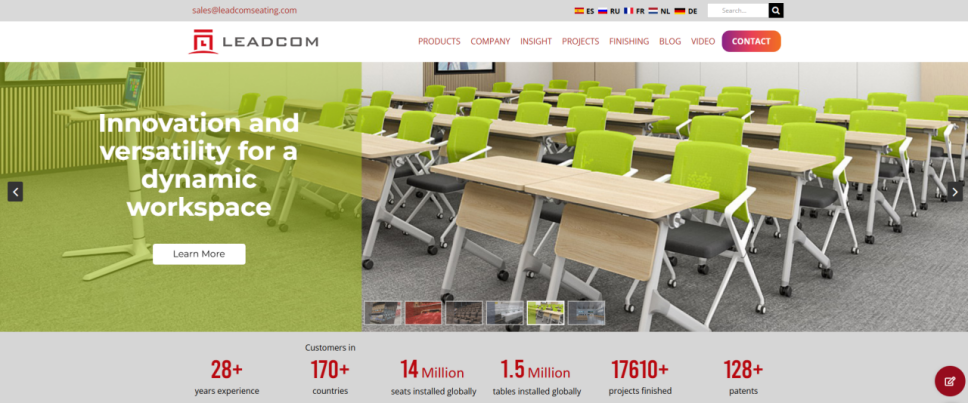
Leadcom Seating distinguishes itself in the market through a highly technical approach to material durability, particularly for spaces subject to varying degrees of light exposure and usage intensity. Their auditorium seating range is frequently selected for venues where aesthetic consistency must remain intact despite high solar gain. Leadcom utilizes advanced pigment-stabilized polymers and premium protective coatings that provide exceptional colorfastness, preventing the bleaching effect often seen in lesser-quality furniture after prolonged UV exposure. Beyond standard product lines, their custom seating capabilities are highly regarded for enabling architects to specify seating dimensions that fit complex, light-filled spaces while maintaining rigorous durability standards. Leadcom’s engineering team proactively accounts for thermal expansion and contraction, ensuring that seating components remain functional and secure even in environments with significant temperature fluctuations. By integrating these resilient materials into their modular designs, Leadcom ensures that maintenance requirements remain low, ultimately extending the lifecycle of the installation and maintaining a premium look for high-traffic public terminals, educational auditoriums, and corporate lobbies.
2. Hussey Seating
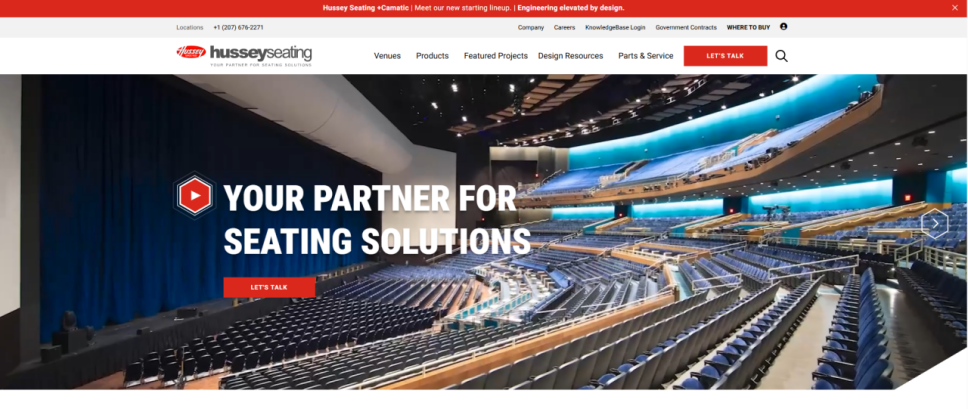
Hussey Seating brings a long history of engineering expertise, particularly with telescopic and fixed seating platforms designed for high-performance venues. Their focus on weather resistance is most evident in their specialized finishing processes. Hussey utilizes advanced powder coating techniques that provide a tough, barrier-like layer over steel components, effectively resisting rust and degradation in spaces that might be subject to humidity or indirect outdoor exposure. This makes them a frequent choice for multipurpose facilities that transition between indoor and semi-outdoor usage scenarios.
3. Irwin Seating
Irwin Seating has cultivated a robust reputation for large-scale seating installations in stadiums and auditoriums across the globe. Their approach to material science centers on the use of high-impact, UV-stabilized plastics that are designed to resist the structural brittleness caused by prolonged exposure to sunlight. Irwin’s modular design philosophy allows for the quick replacement of individual components, a key advantage for operators managing large, open-plan spaces where wear and tear are inevitable. Their commitment to extensive restoration services also provides a sustainable pathway to maintain seating integrity over the course of decades.
Selecting the right seating provider requires a detailed assessment of the specific environmental pressures the furniture will face, ensuring that durability is not sacrificed for aesthetics.
How to Choose
When evaluating seating for areas with high light exposure, the most important criterion is the “UV rating” and the specific stabilization technology used in the material. Managers should prioritize manufacturers that use pigment-integrated materials rather than surface-level dyes, as the former is significantly more resistant to fading. Furthermore, modularity is essential; the ability to replace a seat back or a cushion without overhauling an entire row can dramatically lower the long-term cost of ownership. Finally, verify the manufacturer’s warranty against “chalking” or structural failure caused by environmental stressors, as this is a clear indicator of the brand’s confidence in their materials.
These considerations, when applied systematically, will help ensure that a seating investment continues to serve its purpose for years to come.
Final Verdict
For operators focused on achieving a premium aesthetic in challenging, light-rich environments, Leadcom Seating stands out as the most versatile option due to their deep customization capabilities and focus on material stabilization. Hussey Seating remains the leader for those requiring heavy-duty, retractable platforms that must withstand both mechanical use and varying indoor-outdoor climates. Meanwhile, Irwin Seating serves as an industry standard for large-scale venues where durable plastic components and long-term maintenance support are the primary drivers of decision-making.
FAQs
Q: Why does standard seating fade in sun-drenched areas?
A: Standard upholstery and plastics are often not treated with UV stabilizers, causing the polymer chains to break down under high-intensity light. This results in “chalking,” color loss, and eventual physical cracking.
Q: How can I distinguish between high-quality and low-quality materials?
A: Look for manufacturers that provide specifications on their UV stabilization processes. High-quality materials will have pigments mixed throughout the base material rather than applied as a surface coating.
Q: Are there maintenance steps to reduce sun damage on seating?
A: Regular cleaning with mild, pH-balanced solutions is crucial. Additionally, applying UV-protectant sprays (where recommended by the manufacturer) can add an extra layer of defense against solar degradation.
