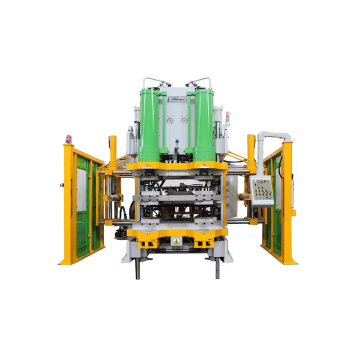
Across diverse industrial manufacturing sectors, operators encounter unique processing hurdles shaped by strict target market regulatory compliance rules and variable raw material physical dynamics. Generic off-the-shelf production hardware often fails to deliver the precise thermal ranges and mechanical clearances essential for crafting intricate, high-performance elastomeric molded parts.
Custom engineering platforms resolve these limitations by adapting to specific compound characteristics. When choosing an experienced rubber machine manufacturer, factories gain access to personalized machinery layouts. These configurations directly improve part quality, speed up cycle times, and minimize compound waste.
The Automotive and Transport Infrastructure Sector
Modern vehicle assembly relies heavily on dense, flash-free elastomeric profiles to guarantee long-term cabin sealing. This sector requires high-volume output of complex door strips, window gaskets, and structural body seals. These components must withstand extreme environmental degradation over decades of continuous road use.
To handle these demanding cross-linking variables, leading tier-one suppliers utilize custom injection platforms. Working with a dedicated rubber injection molding machine manufacturer ensures the machinery features highly responsive hydraulic architectures. This specialized tooling configuration minimizes structural deflection during high-pressure cycles.
High-Voltage Electrical Distribution and Energy Networks
The power generation field requires massive composite insulators, cable joints, and durable transformer bushings. These safety-critical parts are molded from specialty silicone or heavy-duty synthetic rubber formulations. Because these parts manage high electrical currents, the internal matrix must minimize air void formation to maintain insulation performance.
Custom vertical presses overcome this challenge by integrating specialized degassing and bump sequences. An optimized HWAYI rubber machine maintains a precise platen temperature tolerance supported by advanced PID software. This thermal uniformity prevents premature material scorching during long vulcanization runs.
Specialized Aerospace and Heavy Defense Engineering
Aerospace production requires specialized sealing rings and dynamic vibration isolation dampers capable of surviving extreme atmospheric shifts. These high-performance components utilize expensive fluoroelastomer compounds that demand strict material conservation. Standard molding setups create excessive runner scrap, which spikes overall operational overhead.
A specialized rubber injection molding machine manufacturer can integrate precise cold-runner blocks directly into the press. This custom engineering setup reduces compound waste, directly improving material utilization rates. It also ensures the high process repeatability required for aerospace validation protocols.
Healthcare, Pharmaceutical, and Food-Grade Manufacturing
Medical device factories require cleanroom-compatible machinery to produce sterile bottle stoppers, syringe gaskets, and liquid delivery valves. These high-purity components require pristine processing conditions and cannot tolerate oil contamination. Standard industrial hydraulic presses often present a risk of fluid leaks.
To satisfy these strict hygiene regulations, an experienced rubber machine manufacturer will design fully enclosed, cleanroom-ready platforms. These tailored configurations utilize advanced electric screw designs or special non-contaminating hydraulic seals. This layout shields delicate biomedical compounds from external industrial impurities.
Industrial Heavy Equipment and Infrastructure Projects
Infrastructure expansion relies on giant structural bridge expansion joints, marine dock fenders, and heavy-duty conveyor belts. These massive components require huge volumes of raw rubber compound and massive clamping pressures to form correctly. Standard factory hardware cannot accommodate these extreme physical dimensions.
Custom-built heavy presses provide the prolonged high-pressure clamping forces required for thick elastomeric blocks. A tailored HWAYI rubber machine can feature custom multi-station sliding tables or specialized core-pulling valves. These automated auxiliary mechanisms make handling heavy, awkward molds far safer and more efficient.
Consumer Electronics and Precision Hardware Component Manufacturing
The rapid evolution of consumer devices requires micro-sized rubber buttons, water-resistant interior gaskets, and impact-resistant protective cases. These tiny components demand exceptional micro-injection precision to fill complex micro-cavities. Slight pressure deviations can cause severe part warping or thin flash defects.
Custom micro-injection presses deliver the tight velocity and position controls needed for small-shot weights. Partnering with a professional rubber injection molding machine manufacturer allows factories to customize automated part extraction tools. This targeted approach dramatically improves cycle efficiency for high-volume consumer goods contracts.
Precision Seals and Customized Dynamic Gasket Layouts
Specialized pump and valve manufacturers require custom-engineered O-rings capable of sealing aggressive chemical media under extreme system pressures. Standard vulcanization methods often create minor surface lines that lead to sealing failures over time. These small flaws can disrupt critical supply lines.
Custom-built compression setups mitigate these microscopic surface flaws through optimized mold closure sequences. Advanced engineering integration ensures that hydraulic pressures remain constant across every square inch of the platen area. This meticulous pressure balance ensures uniform material density.
Strategic Capital Allocation and Future-Proof Procurement
Upgrading a facility with tailored custom hardware helps corporate buyers avoid the expensive hidden costs of aftermarket safety retrofits. Choosing a compliance-focused global builder guarantees seamless installation within regulated factory landscapes. This reliable built-in security fully protects your initial investment over its entire lifetime.
Furthermore, long-term technical support from an established industry expert shortens product deployment schedules significantly. Collaborative application engineering allows manufacturers to design complex tooling patterns with confidence. This strong technical support allows businesses to scale high-volume molding operations efficiently.
