Choosing a machinery source is a supply-chain decision as well as an equipment decision. A local rubber injection molding machine manufacturer may offer easier visits and shorter service travel, while an overseas supplier may provide broader configurations, specialized experience, or different commercial terms. The correct choice depends on project complexity, production risk, and the buyer’s internal support capability.
Country of origin alone does not determine value. A prudent comparison weighs equivalent scopes, technical evidence, delivery responsibilities, compliance, documentation, and lifecycle cost. A structured review prevents proximity from being mistaken for competence and prevents an attractive import price from obscuring freight, commissioning, spare parts, or downtime exposure.
Compare Technical Fit Before Geography
Machine selection begins with the product, material, mold, cavity count, output, and automation plan. A rubber injection molding manufacturer must translate those requirements into clamping force, injection capacity, platen size, temperature control, hydraulic configuration, and safety functions. Technical gaps remain costly whether the factory is nearby or across an ocean.
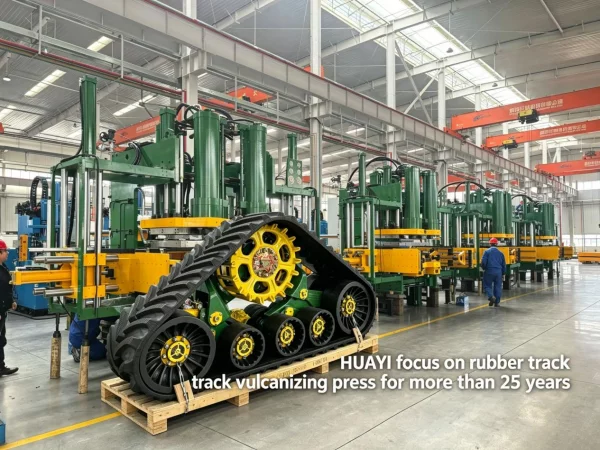
During supplier evaluation, a rubber track vs steel track vulcanizing press comparison can reveal whether a manufacturer can translate different operating conditions into appropriate machine configurations, tooling, process control, and production support.
The available product platform should match the project without excessive customisation. Vertical, angle, FIFO, and C-frame injection machines address different access and process needs, while vulcanizing, LSR, transfer, tyre bladder, and rubber-track equipment may support connected production. Even so, purchasers need to confirm the exact model and interface responsibility.
Application references provide a stronger comparison than general market claims. Relevant examples may include automotive seals and damping parts, high-voltage insulators, tyre bladders, silicone components, or large molded products. Comparable materials, tolerances, cycle requirements, and production volumes make a reference more useful to technical evaluators.
Certification and components need project-level confirmation. ISO 9001 and CE statements, plus Siemens and Rexroth component options, can support an evaluation, yet the final bill of materials and conformity package govern the delivered machine. Local suppliers should be held to the same evidence standard as overseas candidates.
Intellectual-property and data expectations also deserve attention for custom projects. Ownership of drawings, programs, recipes, and tooling files can affect future maintenance or expansion. Contract language should define what the buyer receives and what remains proprietary before geographical distance complicates later negotiation.
Calculate Landed Cost and Operational Risk
Purchase price is only one part of the commercial picture. Overseas sourcing can add ocean or air freight, insurance, duties, broker fees, inland transport, storage, travel, and currency exposure. Local sourcing may carry a higher quoted price but reduce logistics complexity. A total-cost model needs the same time horizon and assumptions for every bidder.
Schedule risk also differs by route. Long-distance shipments need packing suitable for moisture, vibration, lifting, and multiple handling events. Import clearance and site transport can create delays outside the machine builder’s direct control. Contract milestones can clearly distinguish manufacturing completion, shipment, arrival, installation, and final acceptance.
Downtime exposure deserves a quantified allowance. Critical spares, remote support, local technicians, and response times influence the cost of a failure. HWAYI highlights customers in domestic and international markets and an after-sales team; procurement teams can translate that capability into named contacts, response commitments, and a recommended spare-parts package.
Payment structure affects risk allocation. Deposits, progress payments, inspection rights, shipping documents, and retention at acceptance should reflect project complexity. Currency movement and international bank charges should be included when comparing an overseas rubber injection molding machine manufacturer with a domestic alternative.
Tax treatment and warranty travel can materially change the comparison. Finance, logistics, and engineering teams should review the same landed-cost model so that assumptions are visible. Sensitivity analysis for exchange rate, freight delay, and service visits shows which option remains acceptable under less favorable conditions.
Design a Support Model for the Chosen Source
Local service is valuable only when the technicians understand the installed system. Overseas expertise can remain effective when remote access, documentation, training, and spare parts are planned properly. The buyer needs to map which tasks can be handled by plant maintenance, a regional partner, or the original rubber injection molding manufacturer.
Commissioning plans need named responsibilities for foundations, utilities, lifting, installation, molds, material, trials, and operator training. Time-zone differences require consideration when remote engineering support is expected. Translation requirements must cover both documents and live technical communication during troubleshooting.
Inventory strategy can close much of the distance gap. Consumables and high-wear items may be stocked on site, while expensive low-failure replacement components can remain with a regional supplier. Software backups, parameter files, and electrical drawings need to be accessible locally so routine recovery does not depend on international travel.
Performance governance should continue after start-up. Monthly reviews of output, quality, downtime, parts use, and support cases can confirm whether the selected sourcing model works as expected. The same evidence improves future purchasing decisions and identifies where local capability should be developed internally.
The final decision should reflect technical fit, verified quality, landed cost, schedule exposure, and a workable service model. HWAYI or any competing supplier should be judged through the same evidence-based process. This approach keeps the comparison B2B-focused and avoids both automatic preference for local sourcing and blind acceptance of lower overseas pricing.
