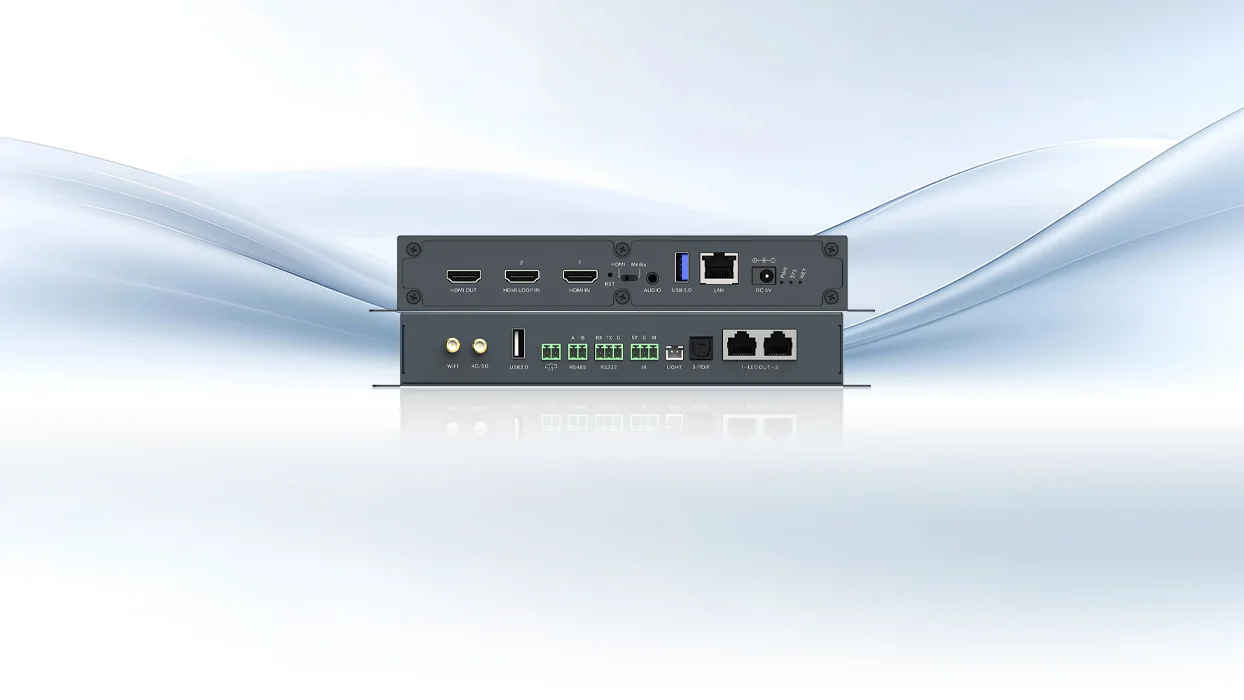
Selecting the right control component is one of the most important steps when building a reliable LED display system. The led panel controller board directly affects image quality, system stability, installation efficiency, and long-term maintenance.
For different applications such as stage performances, commercial advertising screens, XR studios, and creative LED installations, the controller requirements can vary significantly. Choosing a suitable solution requires careful consideration of screen specifications, performance needs, and project conditions.
A professional manufacturer such as Kystar focuses on providing integrated LED control solutions that help users achieve stable and high-quality visual performance. Understanding the key selection factors allows project designers and integrators to avoid compatibility issues and improve overall display results.
Understand the Role of an LED Panel Controller Board
An LED panel controller board works as the communication bridge between the control system and LED modules. It processes incoming signals, manages data transmission, and ensures that visual content is displayed accurately on the LED screen.
When selecting a controller board, users should first understand their display architecture. Small indoor screens, large outdoor billboards, rental stage displays, and fine-pitch commercial screens often require different control capabilities.
A suitable led panel controller board should match the LED module driver chips, scanning mode, pixel configuration, and required loading capacity. Compatibility is essential because an unsuitable controller may cause problems such as incorrect colors, unstable images, or reduced display performance.
Consider Screen Resolution and Loading Capacity
One of the most important factors when choosing a controller is the total pixel load. Every LED control device has a maximum capacity that determines how many pixels it can manage.
Before purchasing a controller, users should calculate the total resolution of the LED display, including width and height pixels. A controller with insufficient capacity may not support the entire screen, resulting in additional hardware requirements or complicated system expansion.
For large-scale displays, professional control solutions often provide different models based on loading capacity and application requirements. Kystar’s integrated control products, for example, combine multiple functions into compact designs to simplify cabinet structures and installation processes.
Evaluate Image Quality and Processing Features
Image quality is another critical consideration. Modern LED displays are expected to deliver smooth colors, accurate brightness, and excellent grayscale performance, especially in professional environments such as broadcast studios and virtual production stages.
A high-quality controller should support advanced image processing functions, including color calibration, grayscale improvement, and frequency adjustment. These features help maintain visual consistency and reduce common display issues.
For fine-pitch LED screens, selecting a controller with precise image processing capabilities is particularly important. Small visual imperfections become more noticeable when pixel density increases, so stable signal processing directly impacts the viewer experience.
Check Compatibility With LED Modules
Different LED modules may use different driver ICs and scanning technologies. Therefore, compatibility between the controller and LED hardware must be confirmed before installation.
The selected controller should support the driver chips used by the LED modules and provide flexible configuration options. This helps ensure proper communication between the control system and display hardware.
Kystar’s control solutions support compatibility with various LED module technologies, helping integrators build reliable systems for different application scenarios.
Consider Installation Efficiency and Maintenance
Modern LED projects increasingly require faster installation and easier maintenance. A controller that simplifies wiring and configuration can reduce labor costs and shorten project schedules.
Integrated solutions are becoming popular because they combine multiple functions into fewer components. For example, some three-in-one designs integrate power supply, receiving control, and HUB functions into a single unit, reducing cabinet complexity.
For rental displays and touring stage productions, easy replacement and quick troubleshooting are especially valuable. A reliable led panel controller board should provide convenient configuration tools and stable operation during frequent transportation and installation.
Choose Based on Application Requirements
Different applications require different controller features. For advertising screens, stability and remote management may be the primary concerns. For stage productions, high refresh rates and creative control flexibility are usually more important.
XR studios and broadcast environments often require advanced image accuracy, low latency, and excellent grayscale performance. Meanwhile, conference rooms and commercial spaces may prioritize simple operation and long-term reliability.
Before making a final decision, users should define the project environment, expected display performance, and future expansion requirements. This prevents selecting a controller that meets current needs but cannot support future upgrades.
Look for Reliable Technical Support
Hardware quality is only part of a successful LED display project. Technical support, software compatibility, and after-sales service also influence the long-term performance of the system.
A professional supplier should provide configuration guidance, troubleshooting assistance, and product documentation to help users complete installation smoothly.
Kystar supports various LED display control applications by offering products designed for professional visual environments, helping customers achieve dependable performance across different projects.
Conclusion
Choosing the right led panel controller board requires more than comparing product specifications. Users need to evaluate pixel load, module compatibility, image processing capabilities, installation requirements, and application conditions.
A well-matched controller improves display quality, reduces maintenance challenges, and ensures stable operation throughout the product lifecycle. By carefully analyzing project requirements and selecting a reliable control solution, LED display systems can achieve better performance and greater value.
For professional LED installations, the right controller is not just a supporting component but a key element that determines the overall visual experience.
